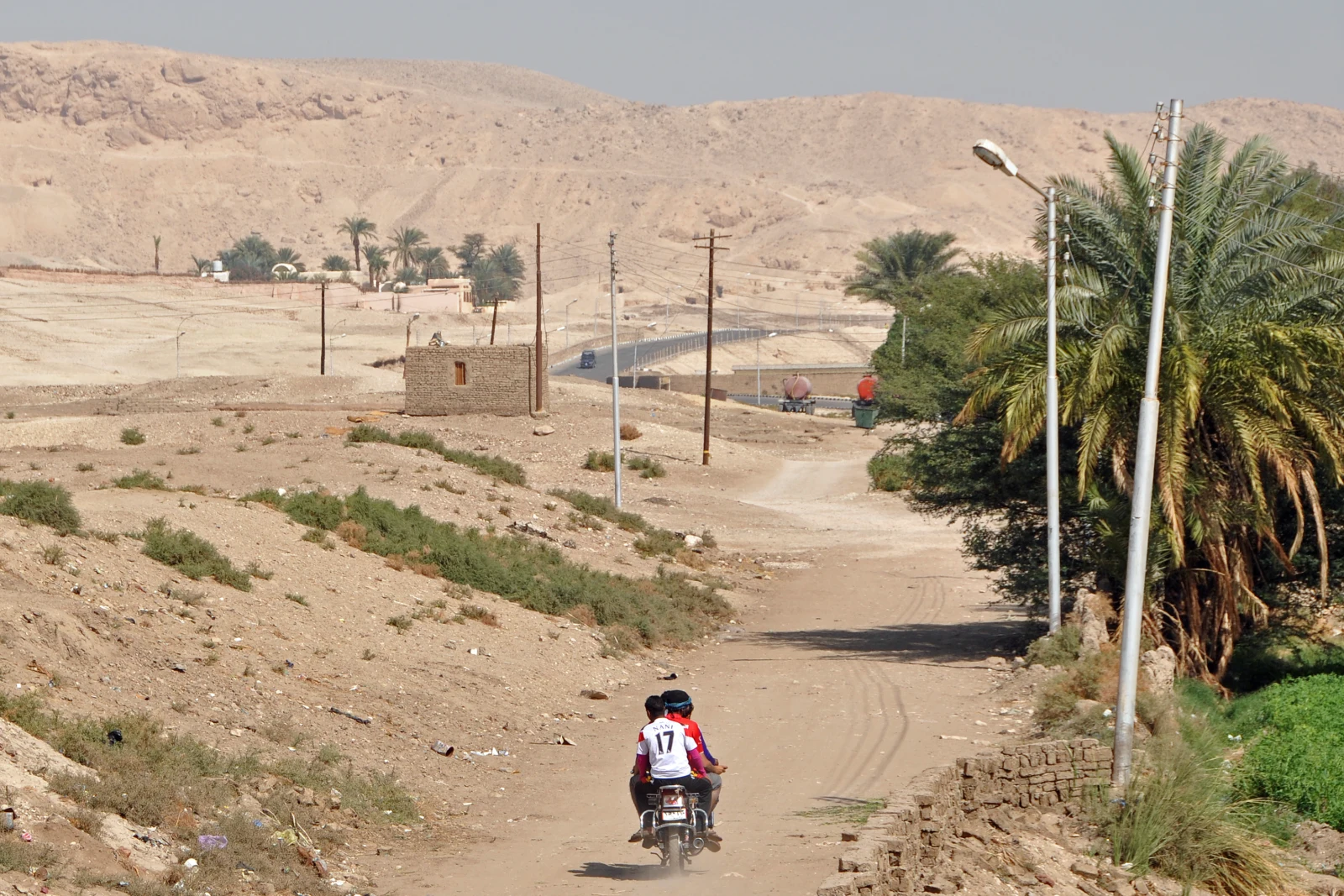
Medinet Habu
Medinet Habu is dominated by the memorial temple of Ramesses III. Its architecture, reliefs and later occupation give a different perspective on the institutional and political landscape of the Theban West Bank.
Understand This Place →Places
Canonical place records connect Destinations, Journeys and deeper editorial context without duplicating the same archaeology across the site.
Medinet Habu is dominated by the memorial temple of Ramesses III. Its architecture, reliefs and later occupation give a different perspective on the institutional and political landscape of the Theban West Bank.
Understand This Place →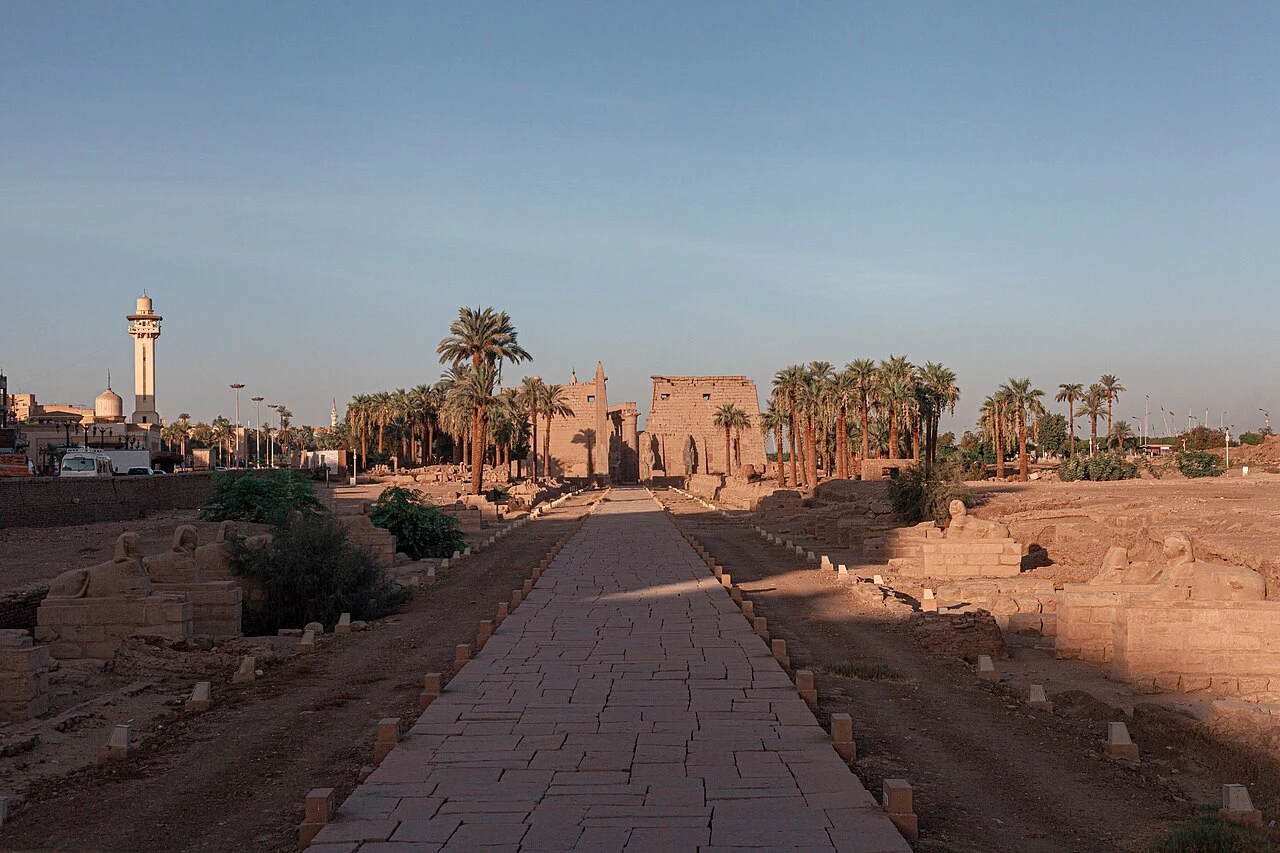
The processional avenue connected Karnak and Luxor Temple across the ceremonial city. Its archaeological value lies in that relationship: it helps explain movement, festival and sacred geography rather than functioning as an isolated attraction.
Understand This Place →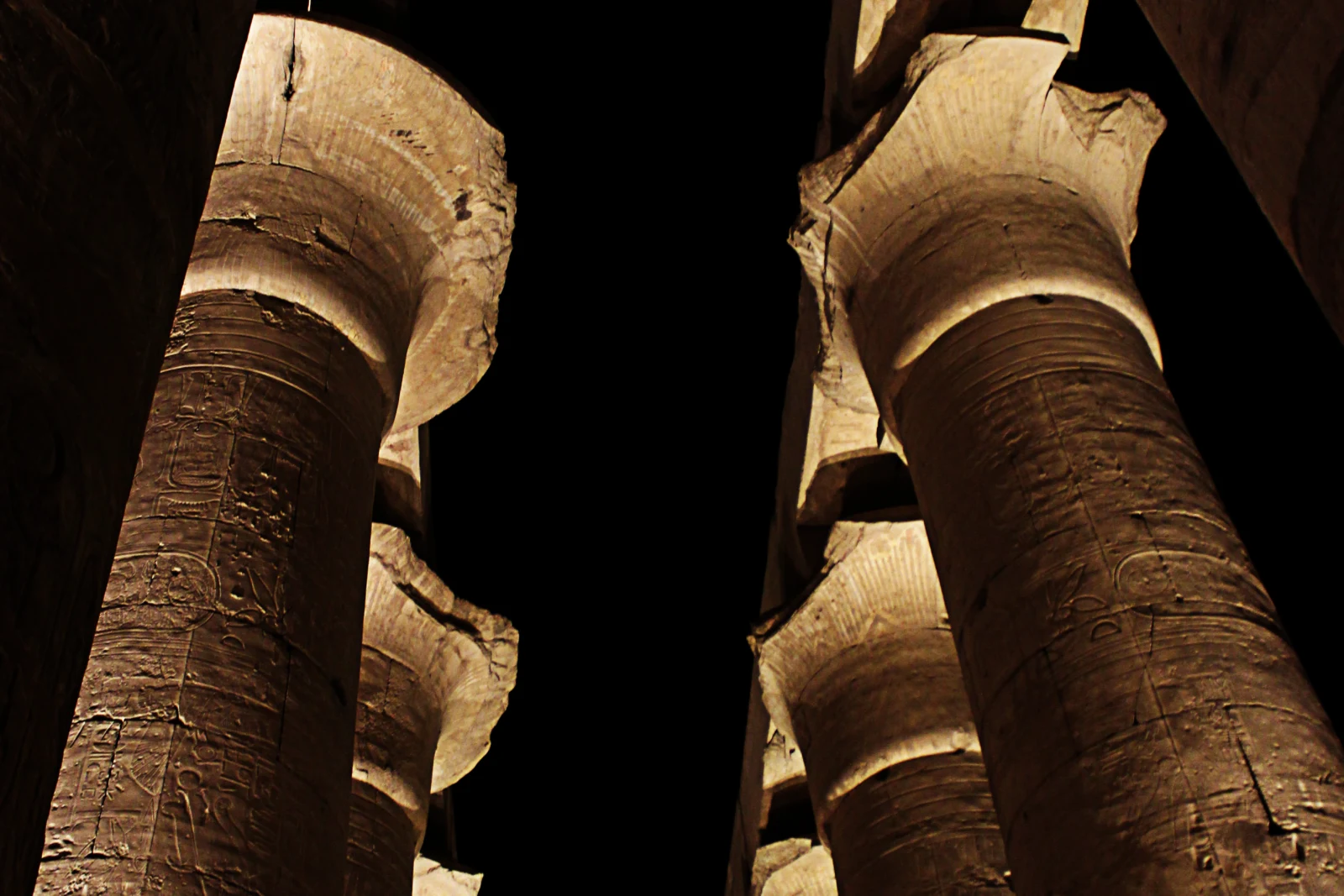
Luxor Temple stands at the southern end of the ancient processional connection with Karnak. Its architecture and later reuse make it especially valuable for understanding how one sacred place could remain important across very different periods.
Understand This Place →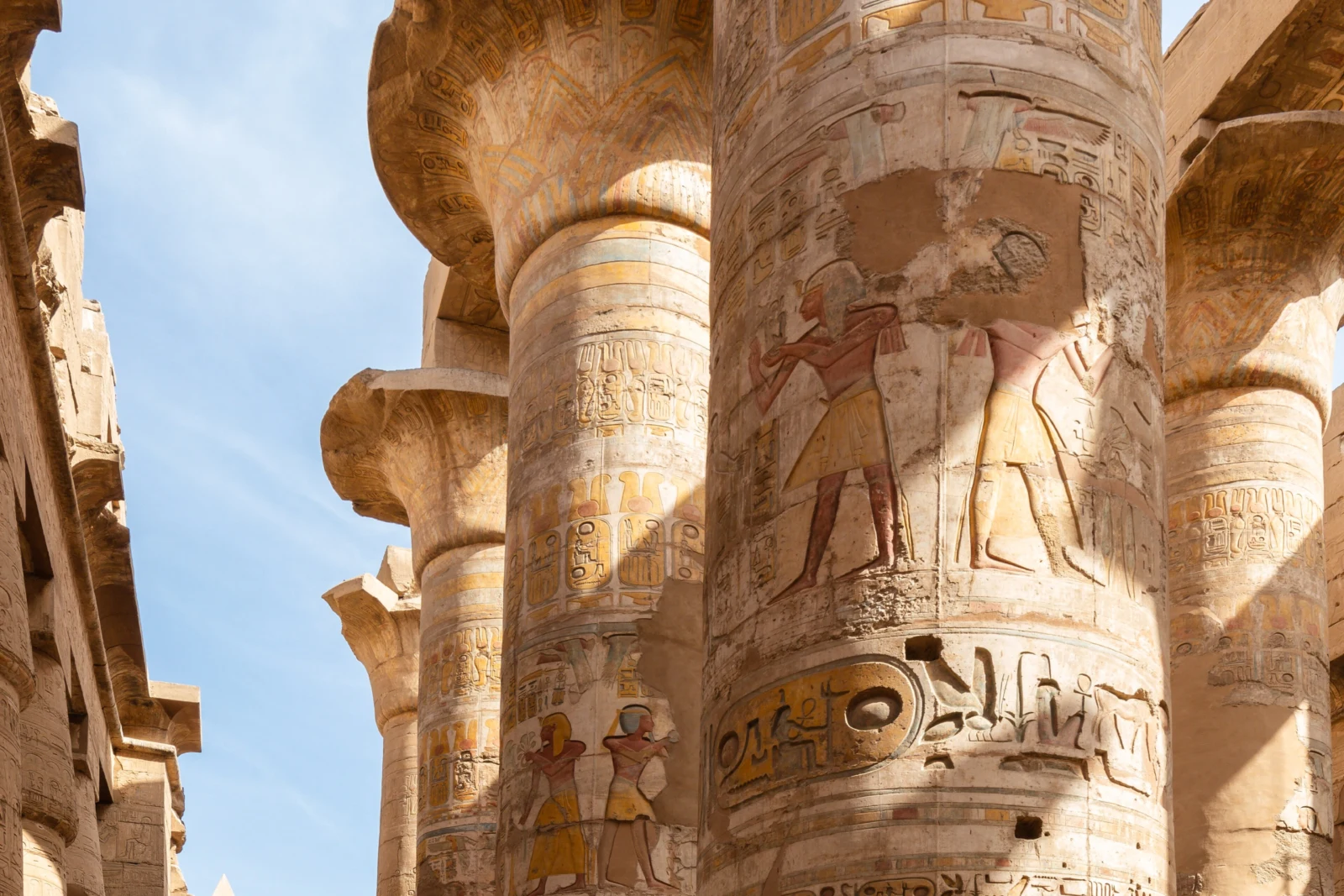
Karnak is a vast temple complex developed over many reigns, with the cult of Amun at its core. Courts, pylons, obelisks, sanctuaries and processional routes make sense when read as successive layers of royal and religious activity.
Understand This Place →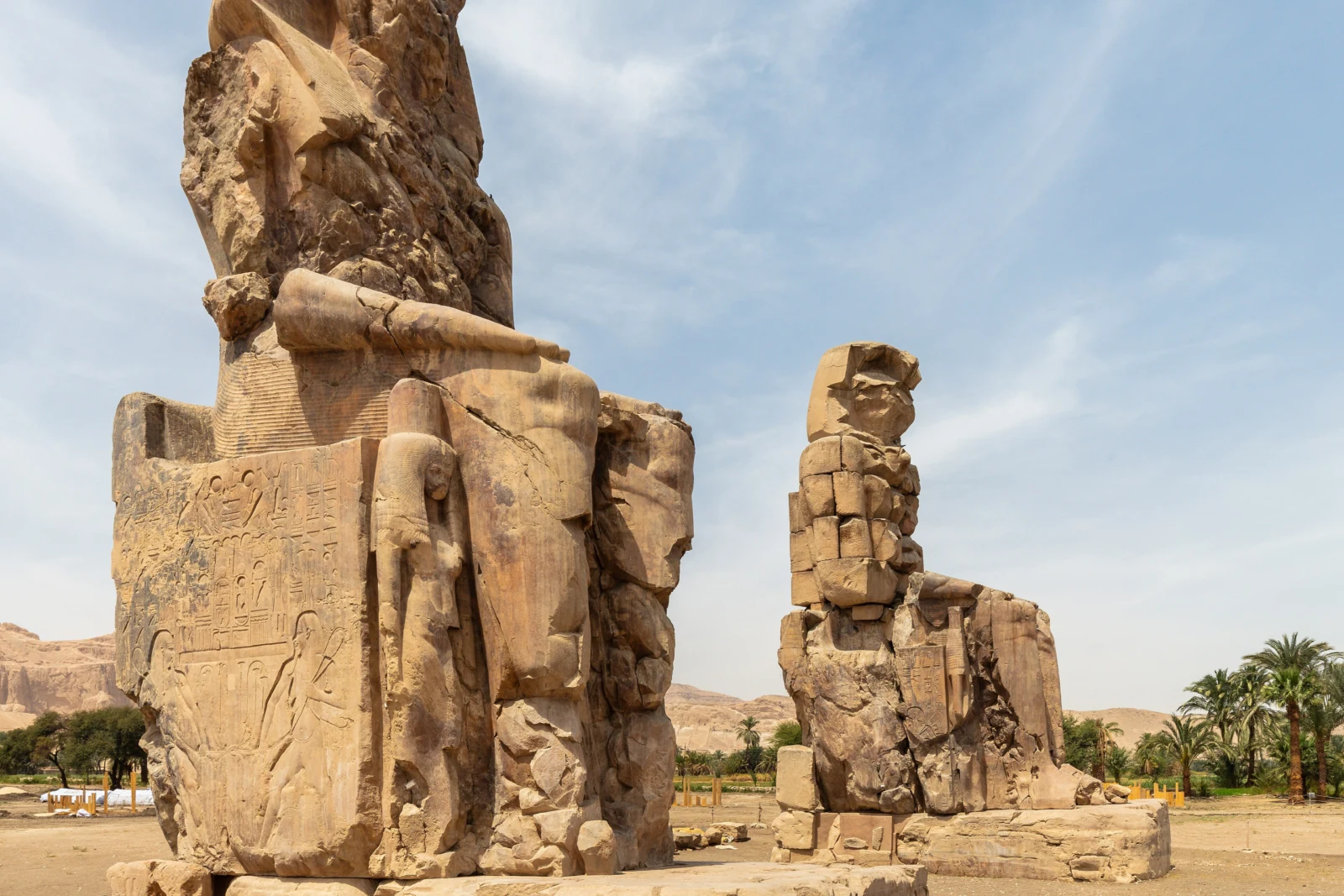
The Colossi of Memnon are two monumental seated statues of Amenhotep III that once stood before his vast memorial temple. They are useful not as an isolated photo stop, but as evidence for the scale of a largely lost royal complex.
Understand This Place →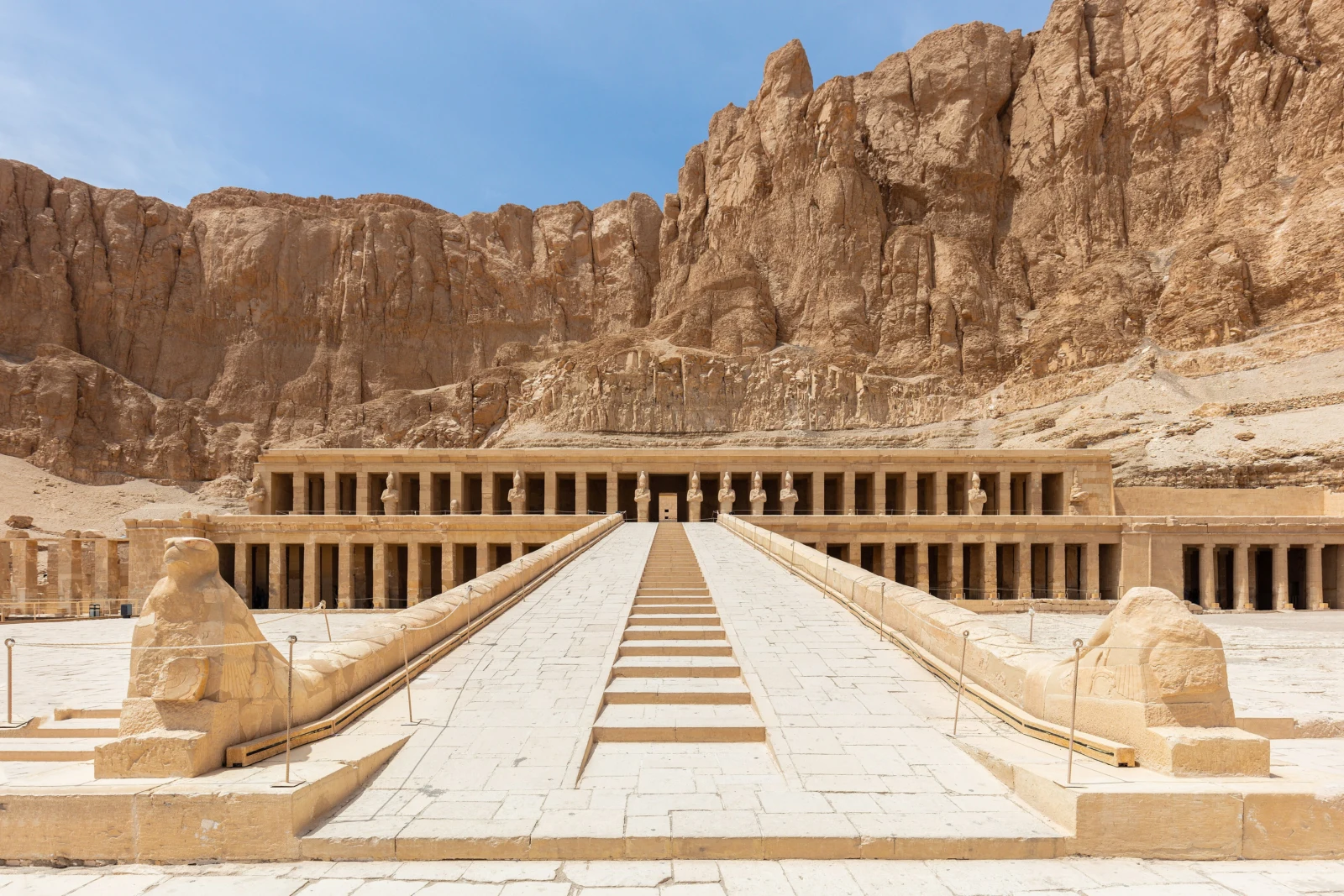
Hatshepsut’s memorial temple at Deir el-Bahari rises in terraces against the western cliffs. Architecture, kingship, cult and landscape are inseparable here, making the temple one of the clearest places to discuss royal memory on the Theban West Bank.
Understand This Place →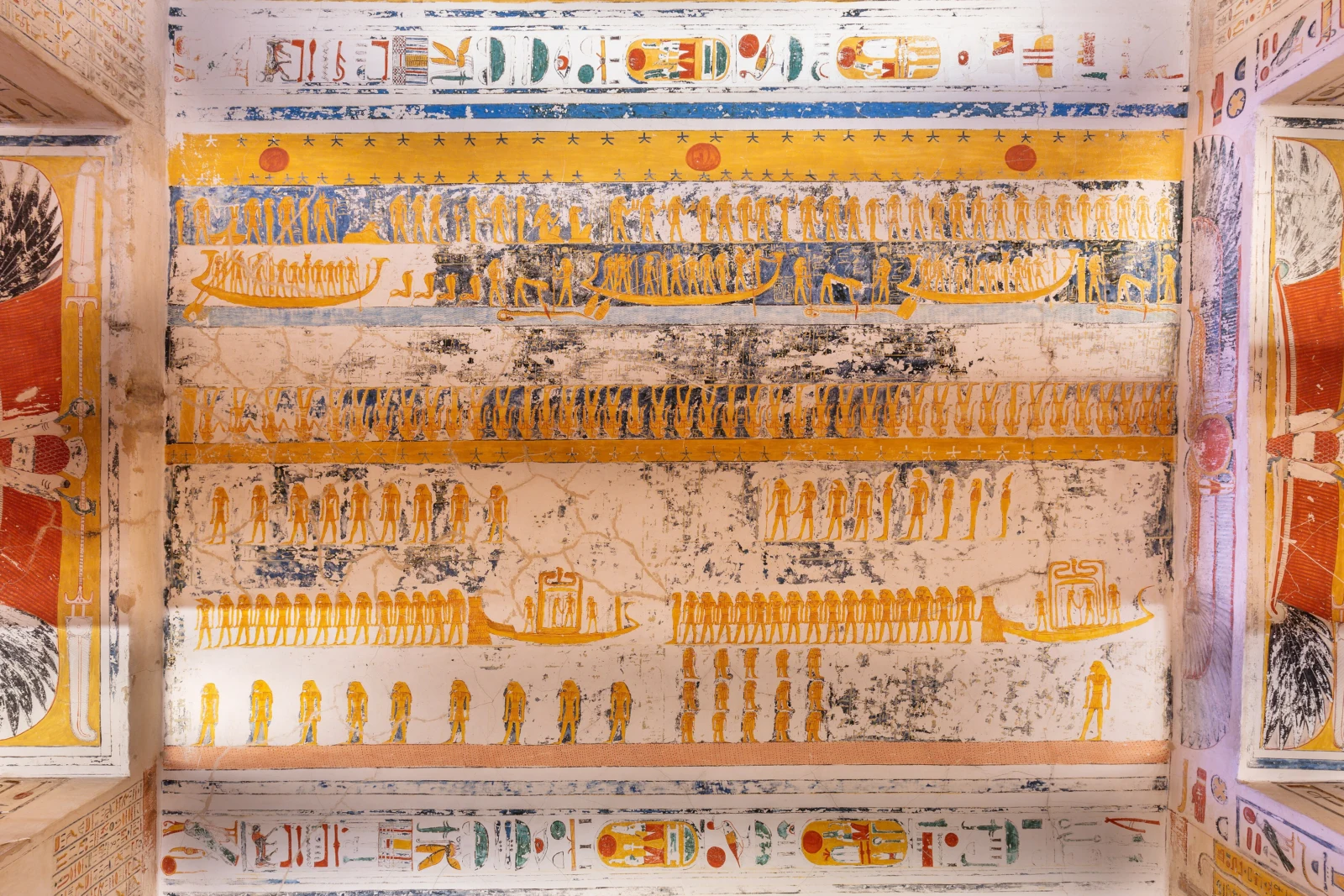
The Valley of the Kings was a principal royal burial place during the New Kingdom. Individual tomb access changes, so a strong visit focuses on the necropolis as a whole and chooses open tombs according to archaeology, physical access and current conditions.
Understand This Place →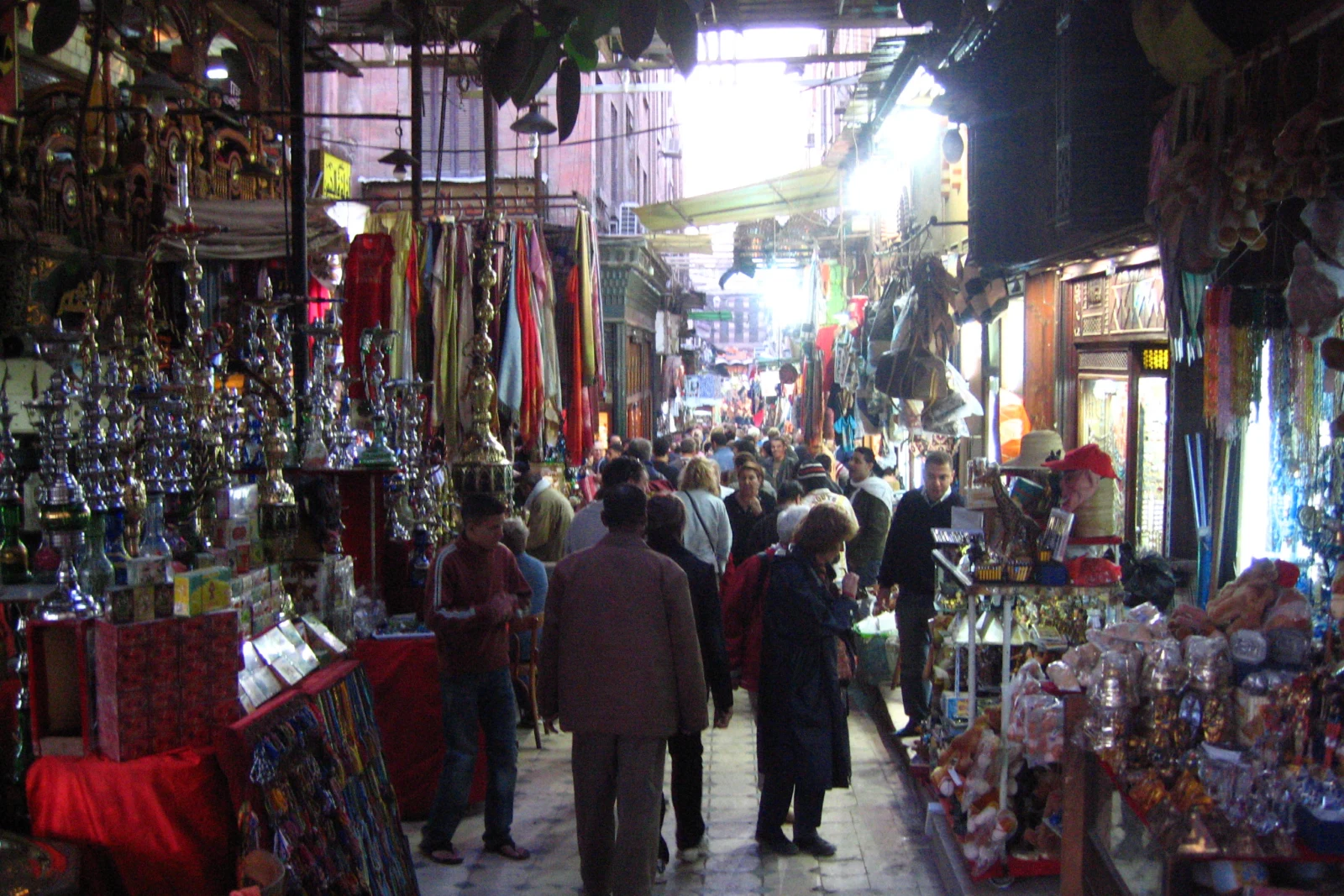
Khan el-Khalili is part of Cairo’s historic commercial fabric, where workshops, cafés, trading streets and visitor commerce now overlap. It is most useful when read in the context of the surrounding historic city rather than as a stand-alone shopping stop.
Understand This Place →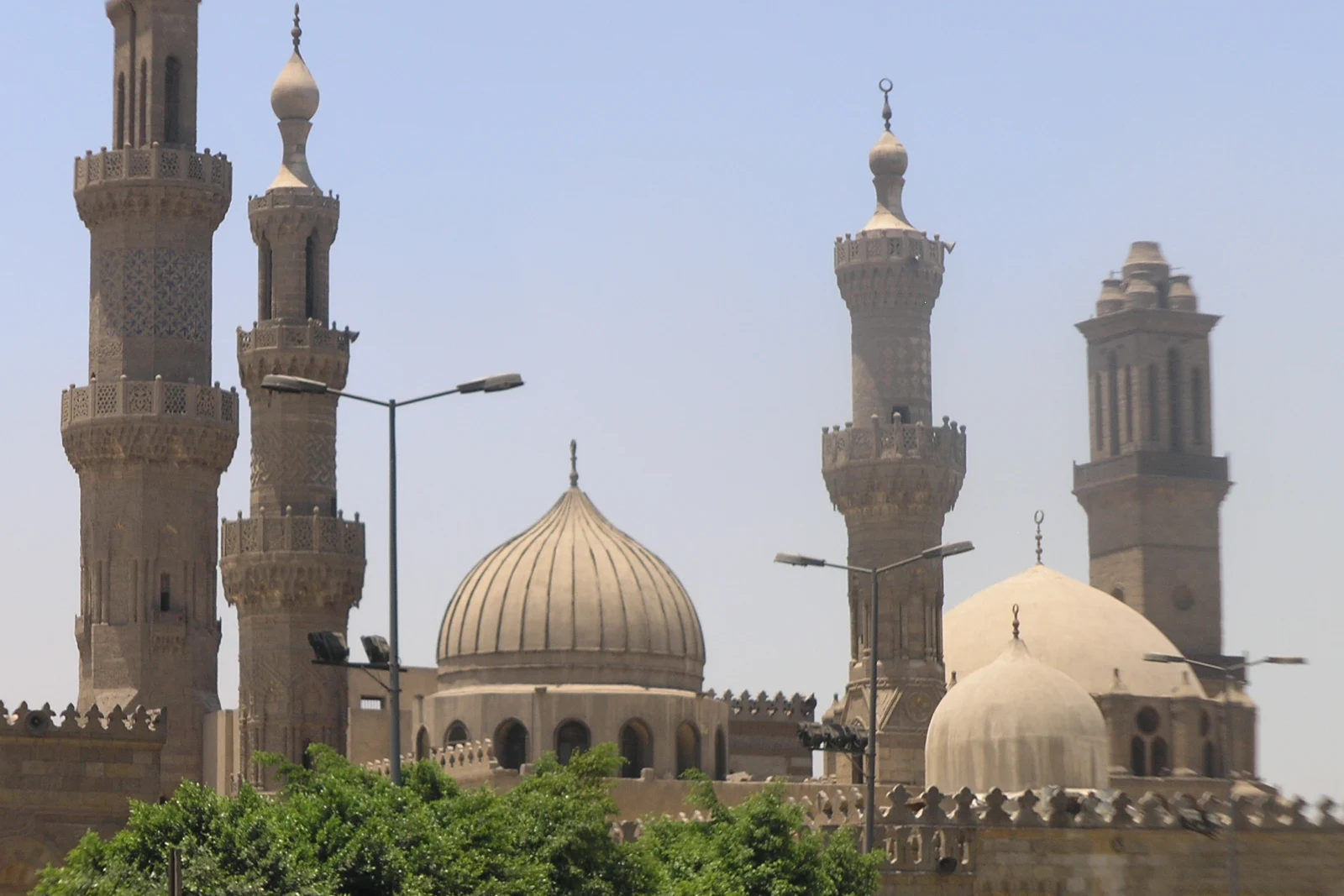
Historic Islamic Cairo contains mosques, madrasas, markets, domestic architecture and streets shaped by many dynasties. The value lies in understanding how religious, civic and commercial life worked together, not in treating the area as a single-period monument.
Understand This Place →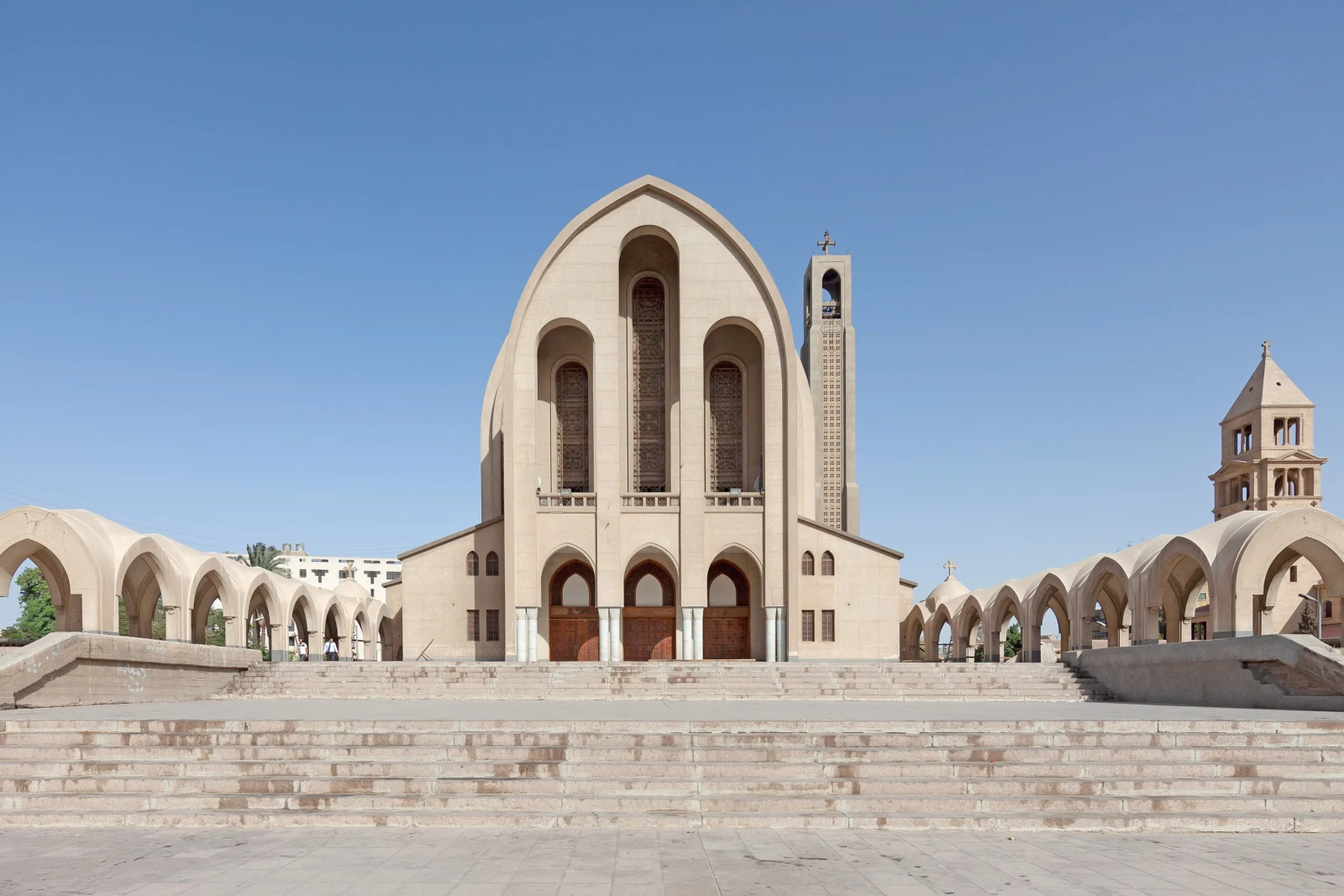
Coptic Cairo preserves churches and religious sites within a district where late antique, Christian, Jewish and Islamic histories overlap. It remains a living religious area and should be approached with the respect due to active places of worship.
Understand This Place →