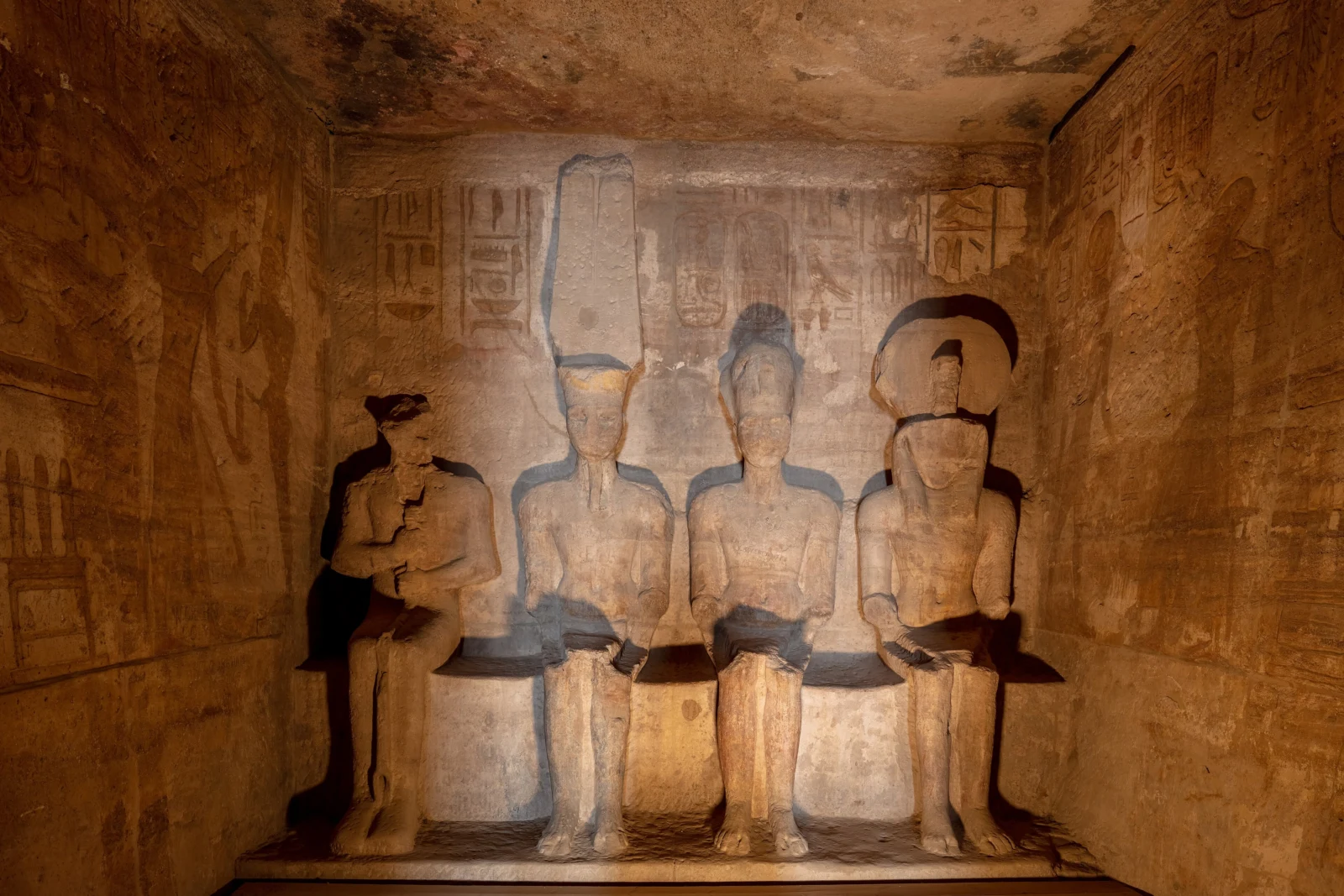
19th Dynasty · Nubia
Abu Simbel contains the rock-cut temples of Ramesses II and the smaller temple associated with Hathor and Queen Nefertari. The monuments were relocated during the international Nubian rescue campaign, making preservation history part of the visit.
Understand This Place →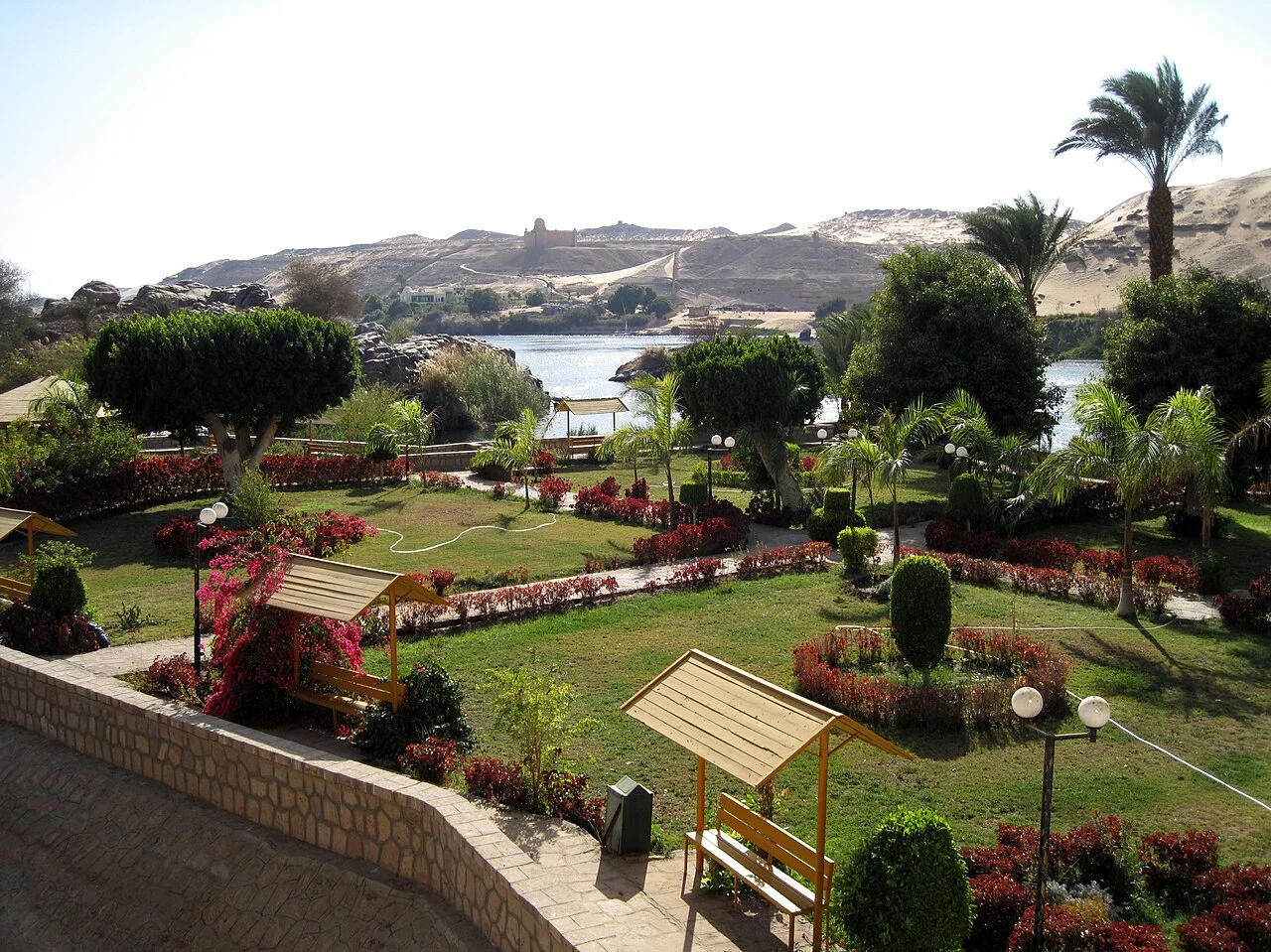
Nile island · Aswan
Aswan’s Botanical Garden occupies Kitchener’s Island in the Nile. In a river itinerary it works best as part of the island landscape and the experience of moving through Aswan by boat, rather than as an isolated checklist stop.
Understand This Place →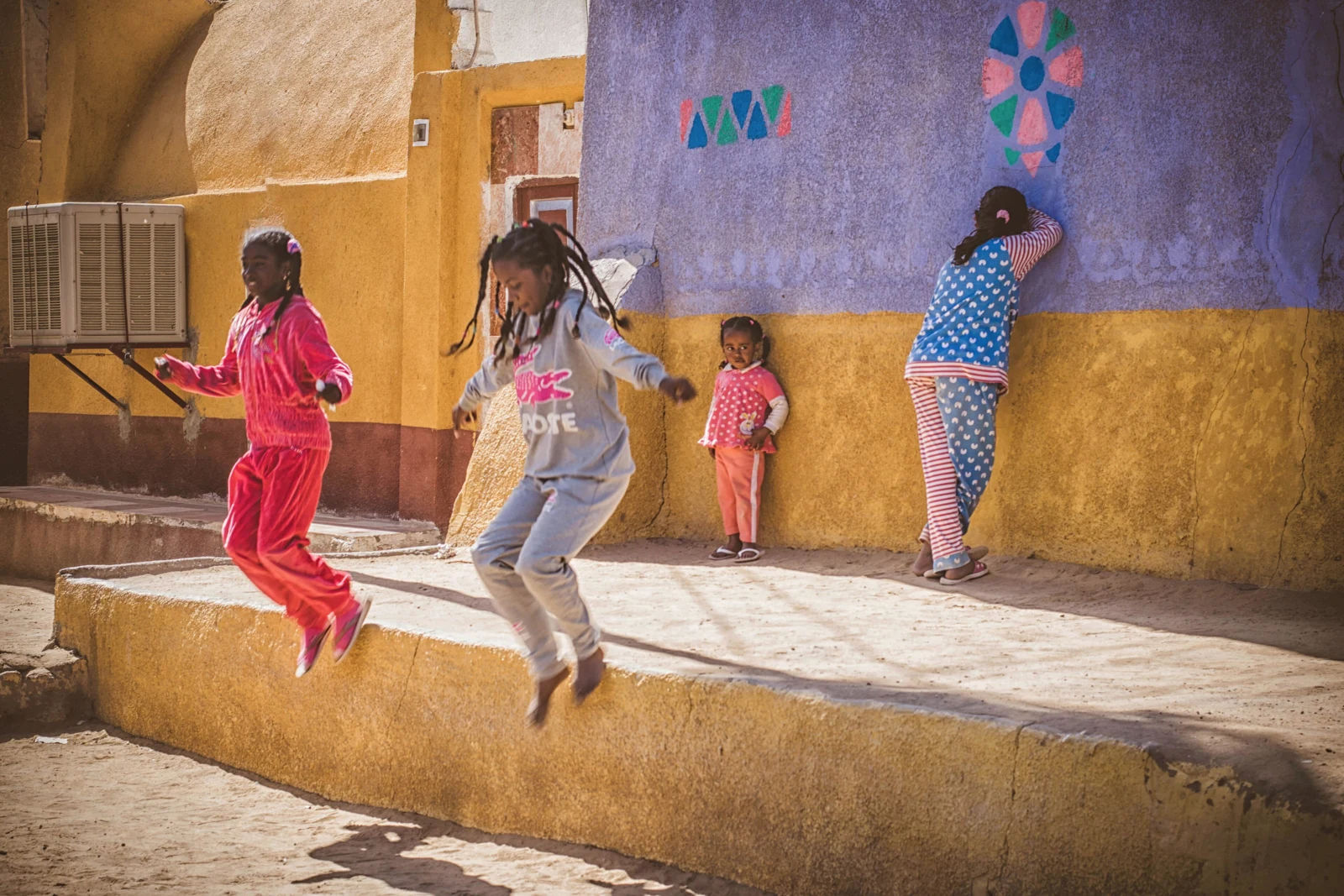
Living Nubian culture
A Nubian village visit should be understood as an encounter with a living community, not as a staged attraction. Nile Experience treats household visits, meals and local interaction as controlled experiences requiring an approved host and respectful guest behaviour.
Understand This Place →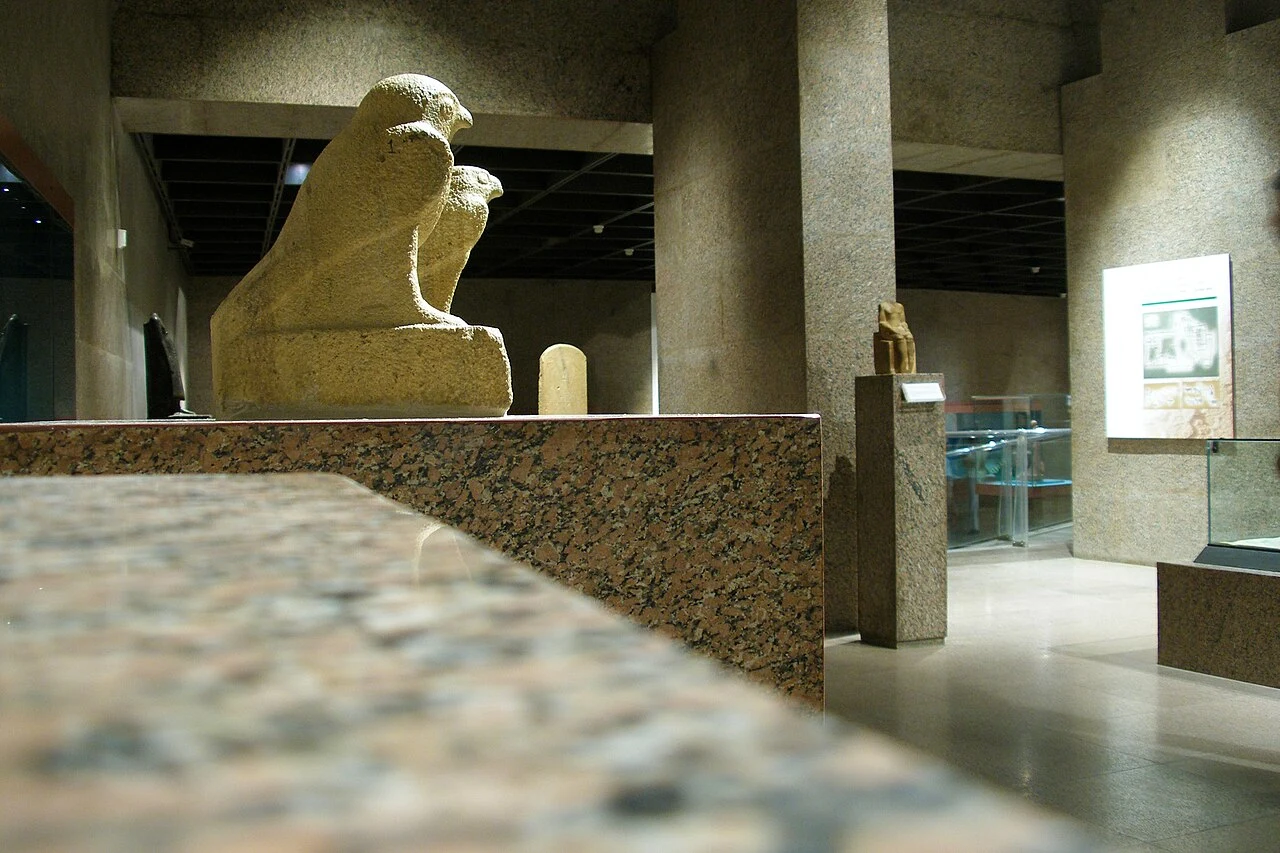
Museum · Nubian heritage
The Nubian Museum provides essential historical context for Nubia, including archaeology, cultural continuity and the modern consequences of the High Dam and rescue campaigns. It is especially useful before or after visits to Nubian sites and communities.
Understand This Place →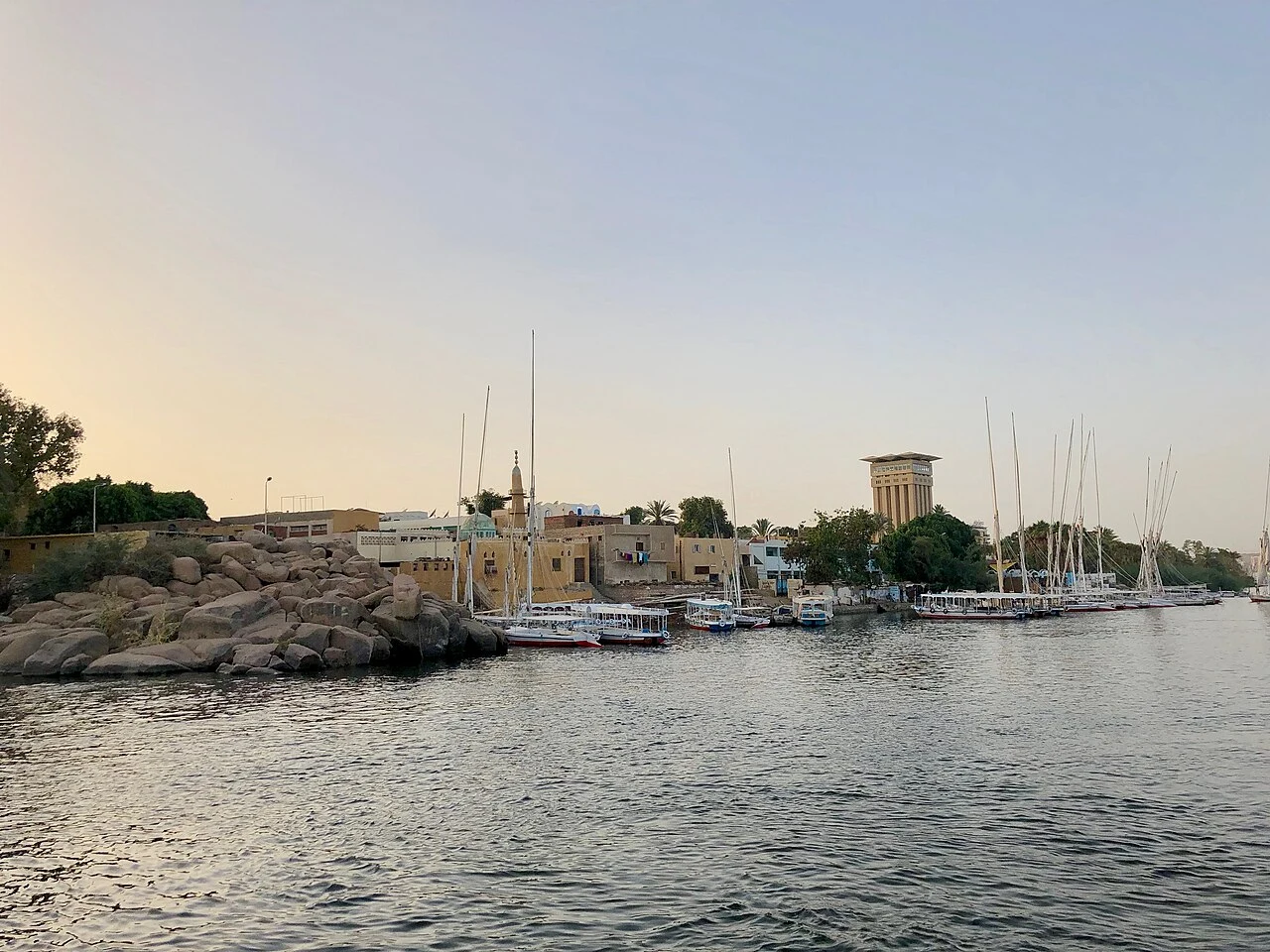
First Cataract · ancient settlement
Elephantine stands at the First Cataract and preserves evidence for settlement, administration, religion and Egypt’s long relationship with Nubia. Its location makes geography part of the archaeology.
Understand This Place →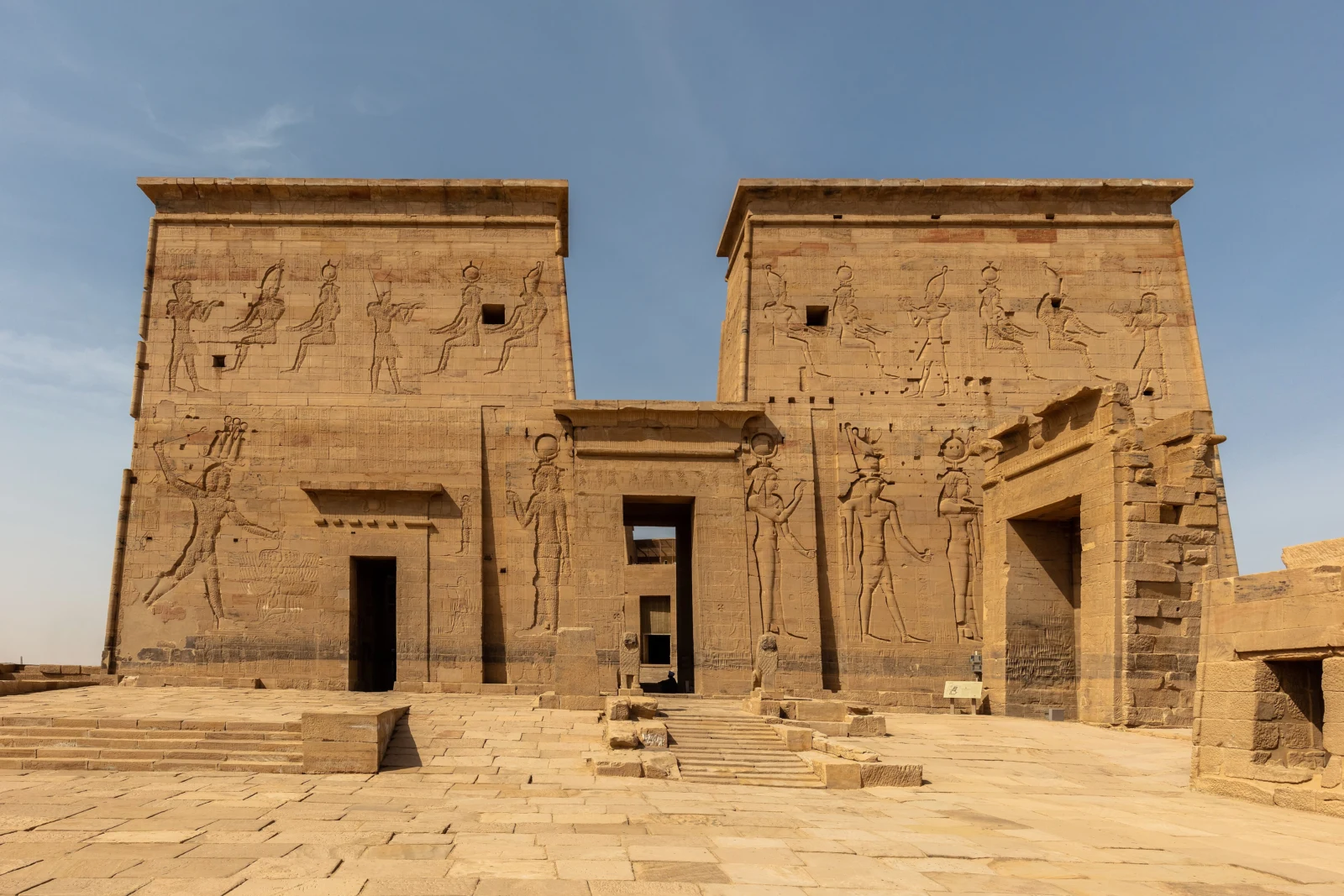
Ptolemaic–Roman · Isis sanctuary
The monuments of Philae, now on Agilkia Island, are centred on the sanctuary of Isis and belong largely to the Ptolemaic and Roman periods. Their modern setting also tells the story of the international Nubian rescue campaign.
Understand This Place →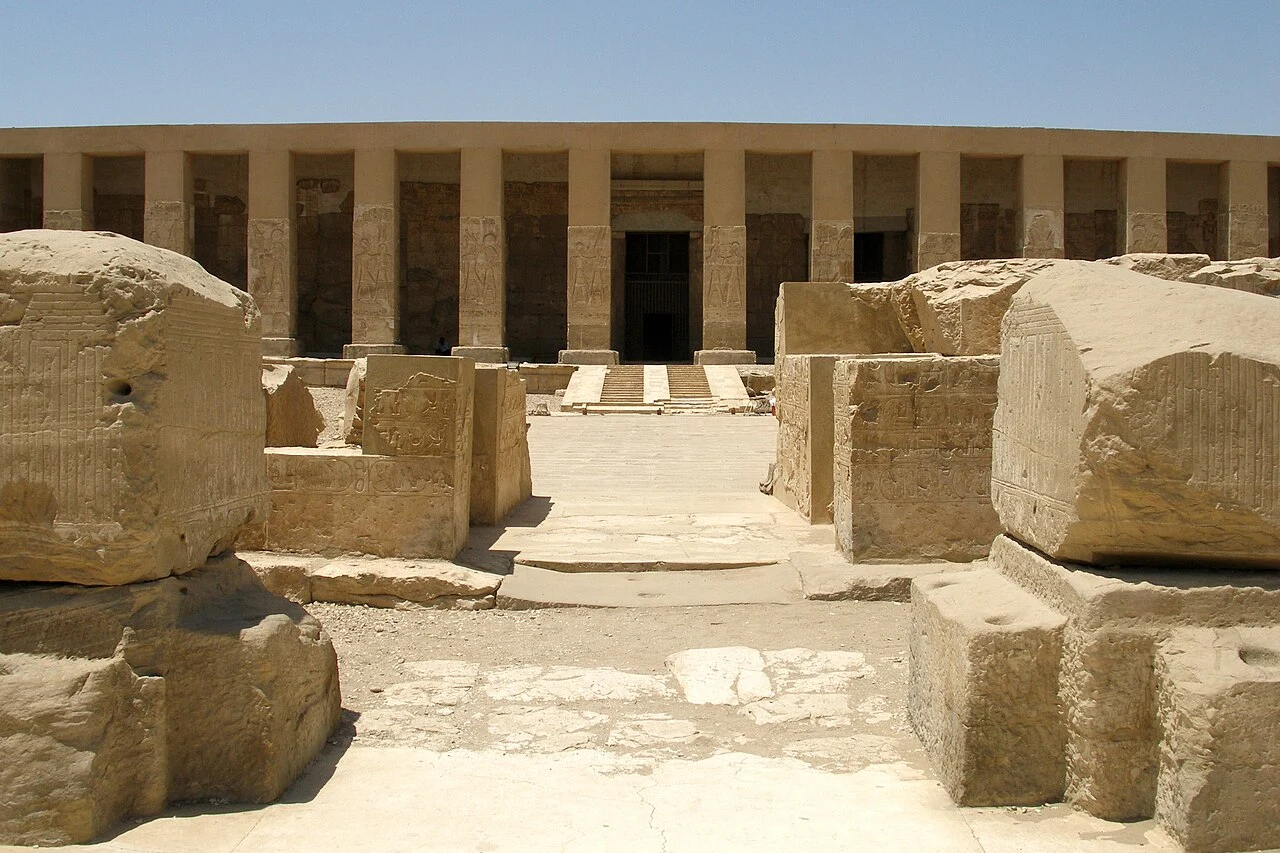
Sacred landscape · Upper Egypt
Abydos became one of Egypt’s most important sacred landscapes, closely associated with Osiris and royal memory. The Temple of Seti I is the best-known surviving monument, but the site’s significance extends across a much longer history.
Understand This Place →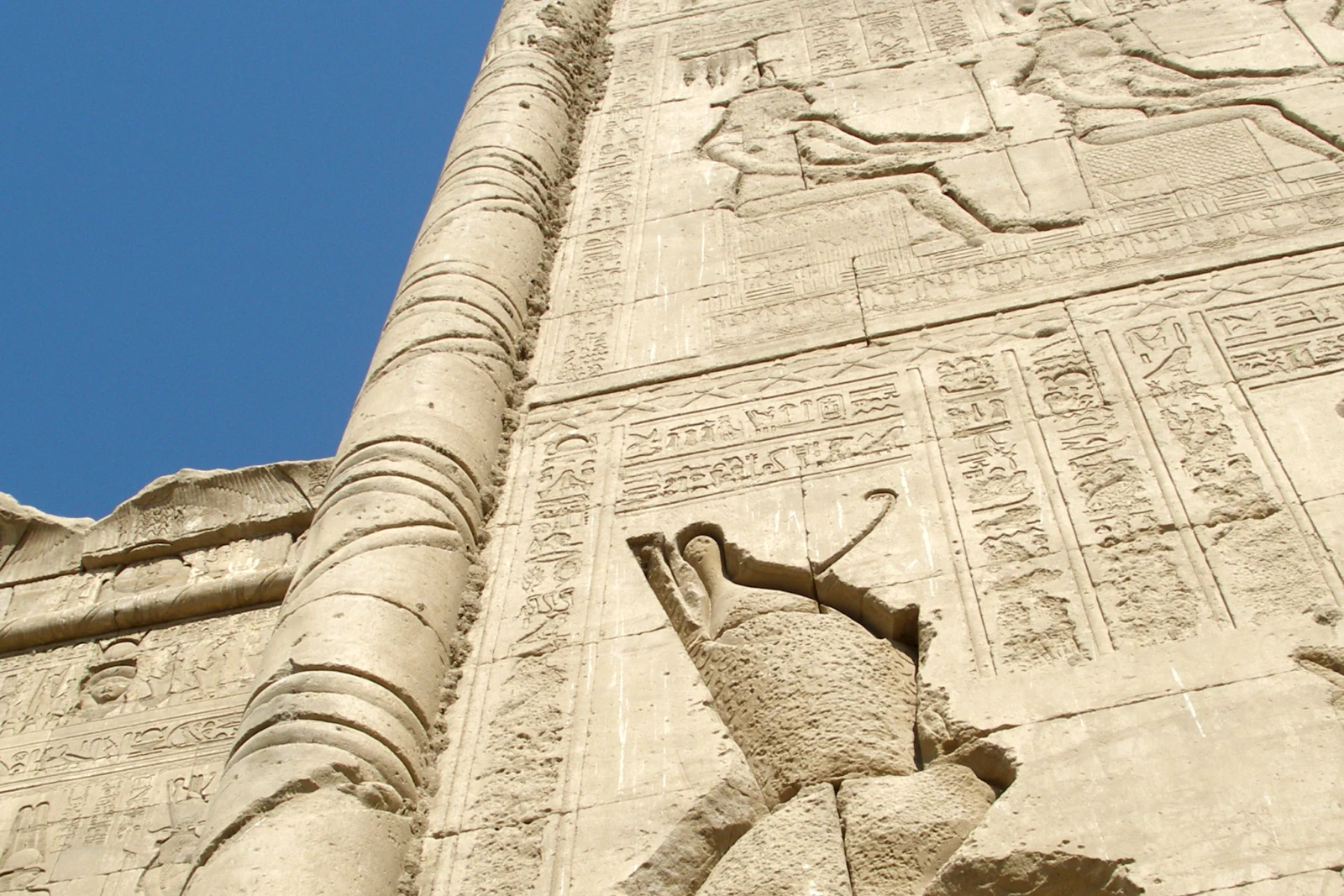
Ptolemaic–Roman · Hathor
The principal surviving temple at Dendera is dedicated to Hathor and belongs mainly to the Ptolemaic and Roman periods, although the site had a much longer sacred history. Its ceilings, chapels and ritual spaces reward careful interpretation of later Egyptian temple culture.
Understand This Place →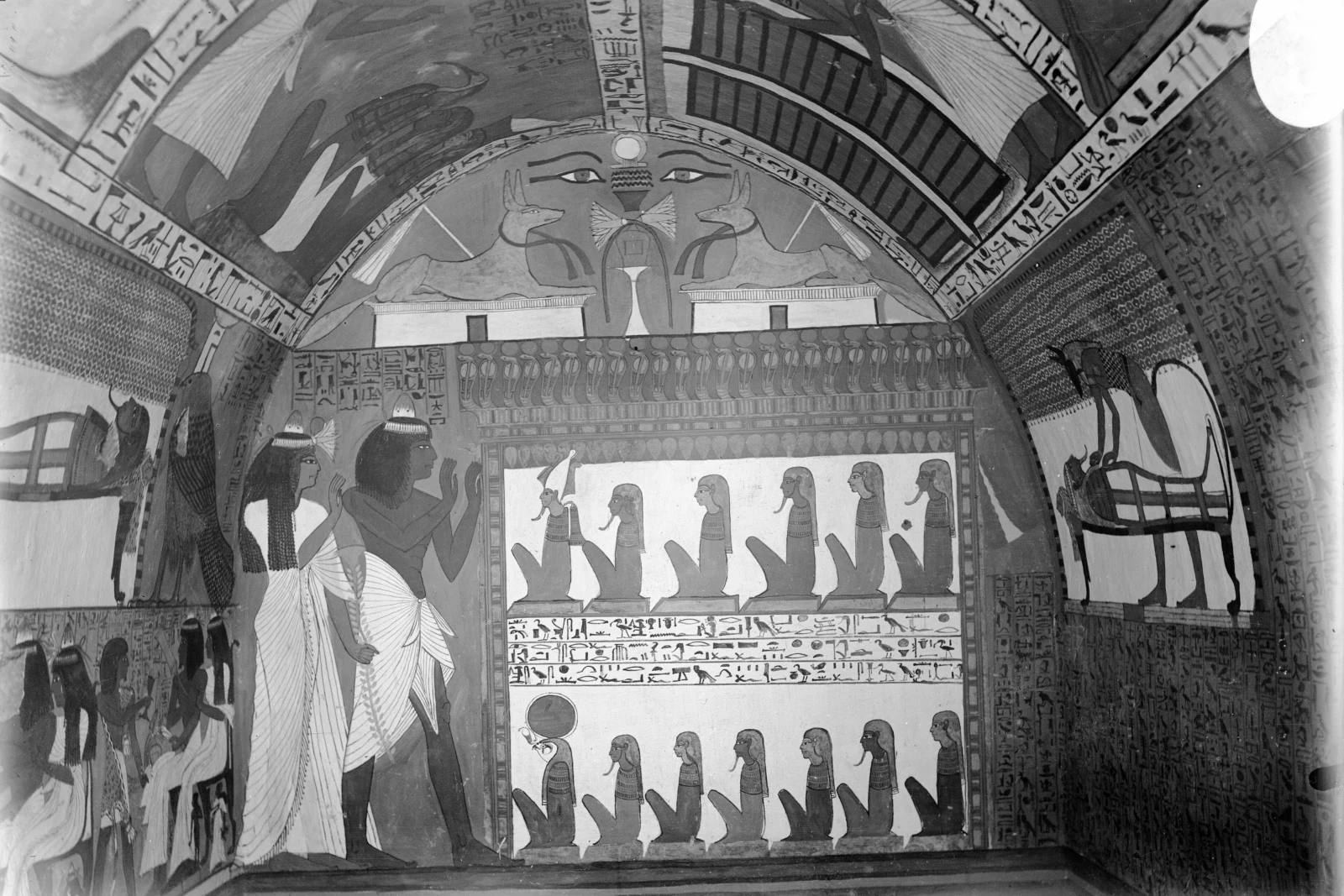
Private Theban necropolis
The private tombs of Theban officials preserve inscriptions and images concerned with office, family, status, ritual and the hoped-for afterlife. Their scenes are valuable evidence, but they should be interpreted as funerary representations rather than literal photographs of everyday life.
Understand This Place →
New Kingdom workmen’s settlement
Deir el-Medina preserves the settlement and tombs associated with the skilled community who worked on royal tombs. Texts, ostraca, houses and private funerary material make it one of the richest sources for studying a documented ancient Egyptian community.
Understand This Place →