Crocodile Museum
The Crocodile Museum beside Kom Ombo Temple presents material connected with the cult of Sobek and the temple’s religious landscape. Its opening and access should be reconfirmed for the operating date.
Understand This Place →Places
Canonical place records connect Destinations, Journeys and deeper editorial context without duplicating the same archaeology across the site.
The Crocodile Museum beside Kom Ombo Temple presents material connected with the cult of Sobek and the temple’s religious landscape. Its opening and access should be reconfirmed for the operating date.
Understand This Place →Daraw is a working Upper Egyptian town whose markets and agricultural trade belong to contemporary Nile Valley life. Any livestock-market claim is date-sensitive and requires current verification rather than being staged for visitors.
Understand This Place →The Unfinished Obelisk remains attached to the granite bedrock in Aswan’s ancient quarry landscape. Tool marks and the abandoned stone help explain quarrying, material limits and the enormous practical work behind monumental construction.
Understand This Place →The Aswan High Dam transformed the Nile, created Lake Nasser and profoundly affected Nubian landscapes and communities. Its interpretation belongs with the modern history of water management, displacement and the international monument-rescue campaign.
Understand This Place →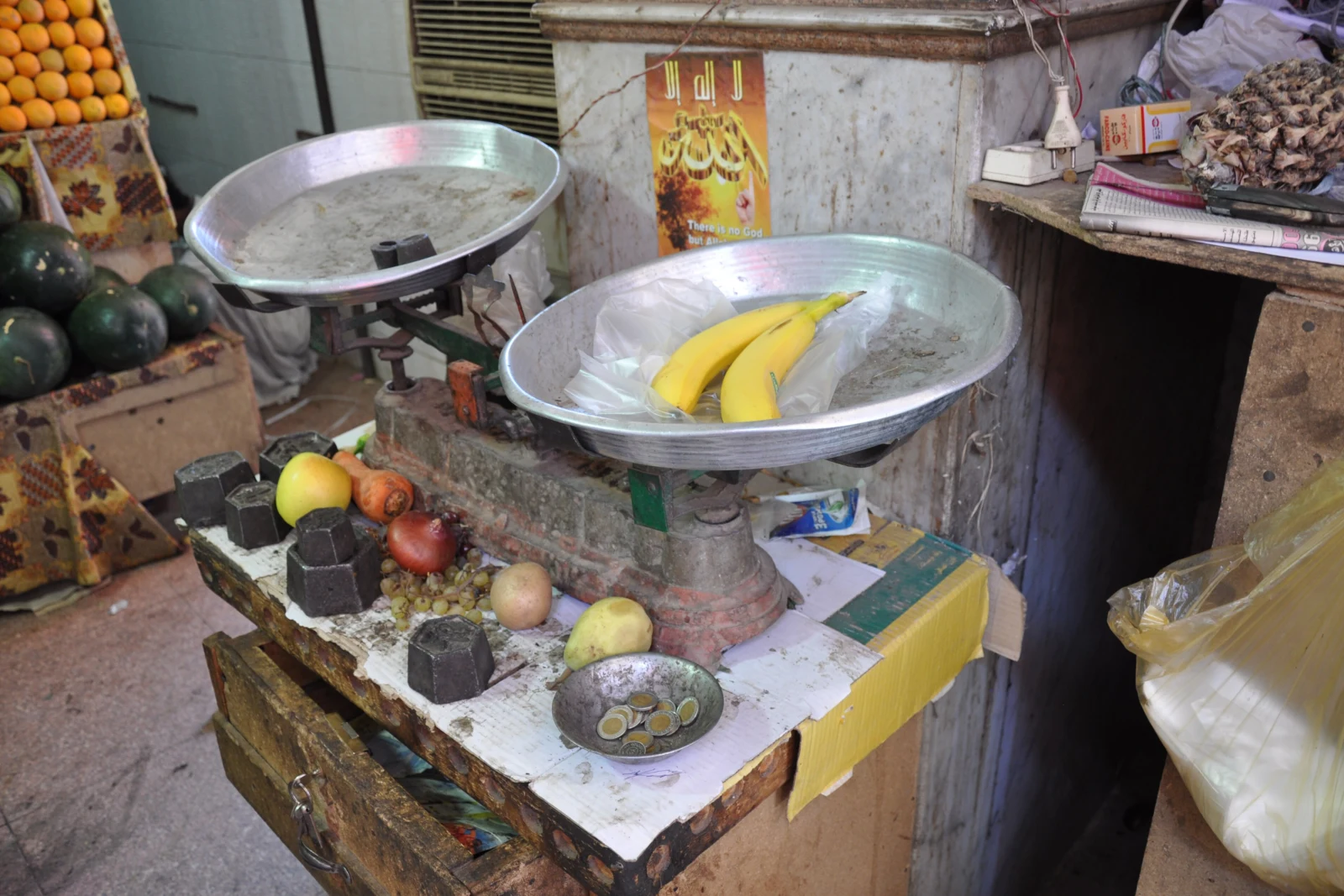
Aswan’s souq is part of the contemporary city: a working commercial street shaped by local shopping, spices, textiles and visitor trade. It should be approached as living urban life, not staged as an exotic market performance.
Understand This Place →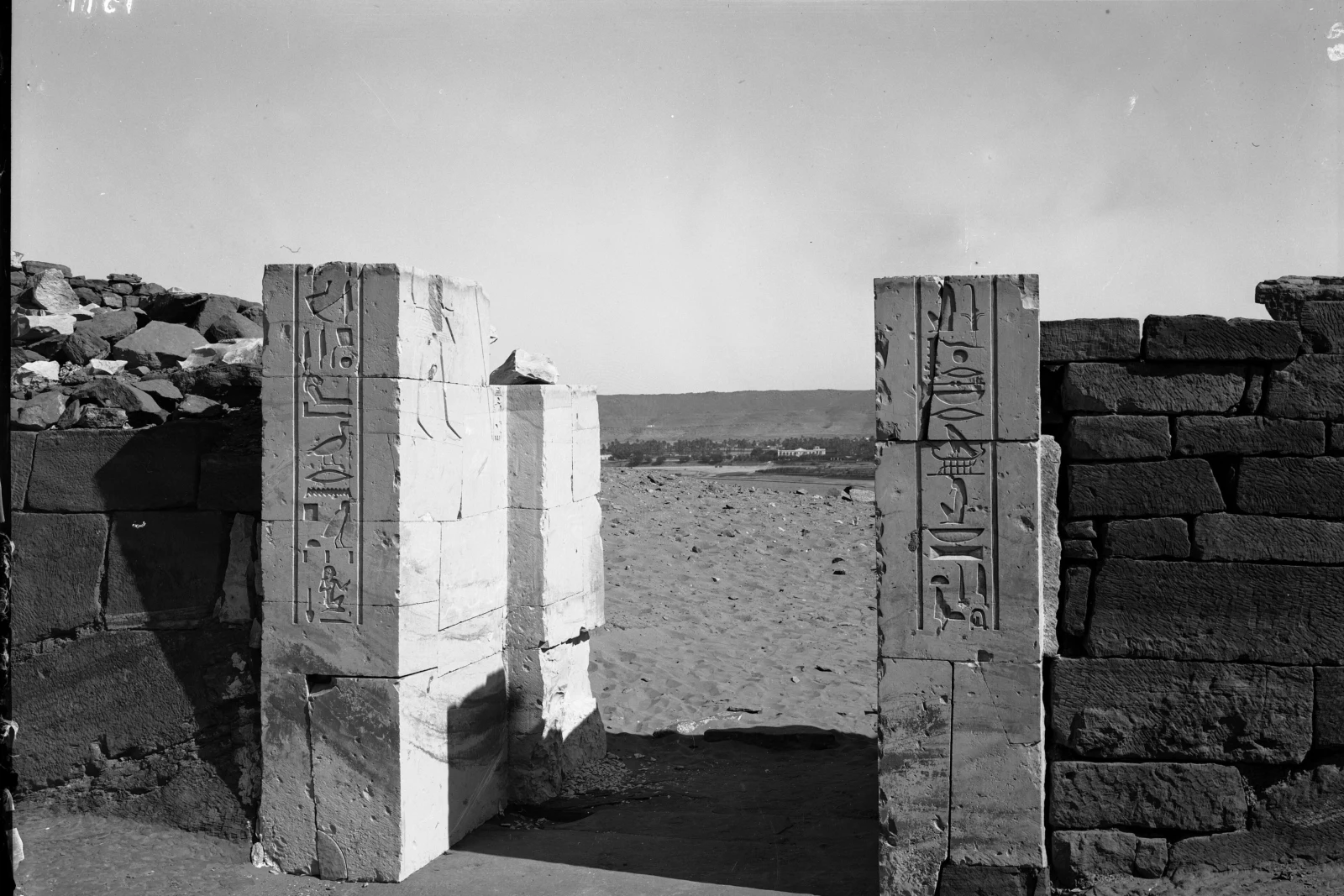
Qubbet el-Hawa contains rock-cut tombs of officials associated with Elephantine and Egypt’s southern frontier. The site can illuminate administration, expeditions and relations with Nubia, but current open tombs and access must be checked before travel.
Understand This Place →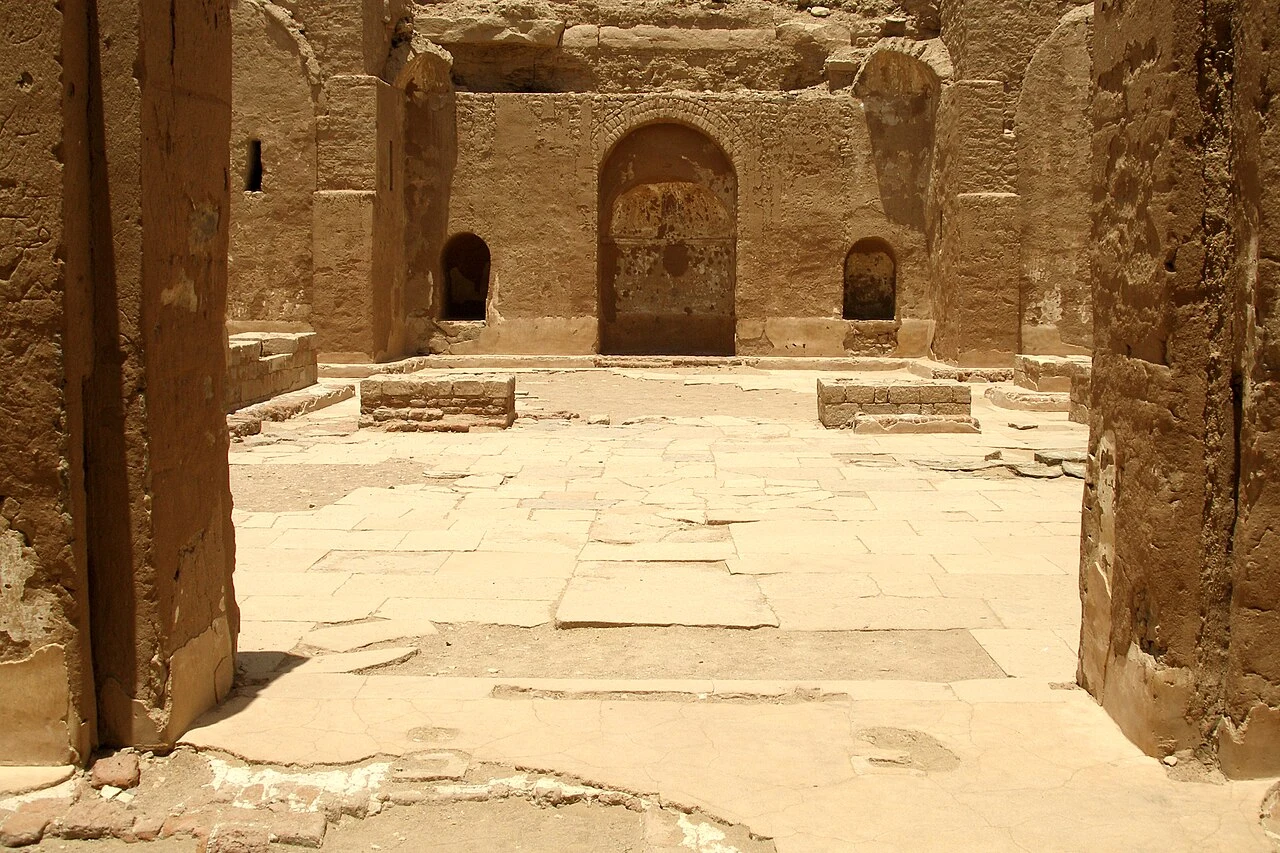
The monastery known as Anba Hadra, often called St Simeon’s Monastery, stands on Aswan’s western bank between river and desert. The approach helps explain the geographical isolation and organisation of early Christian monastic life.
Understand This Place →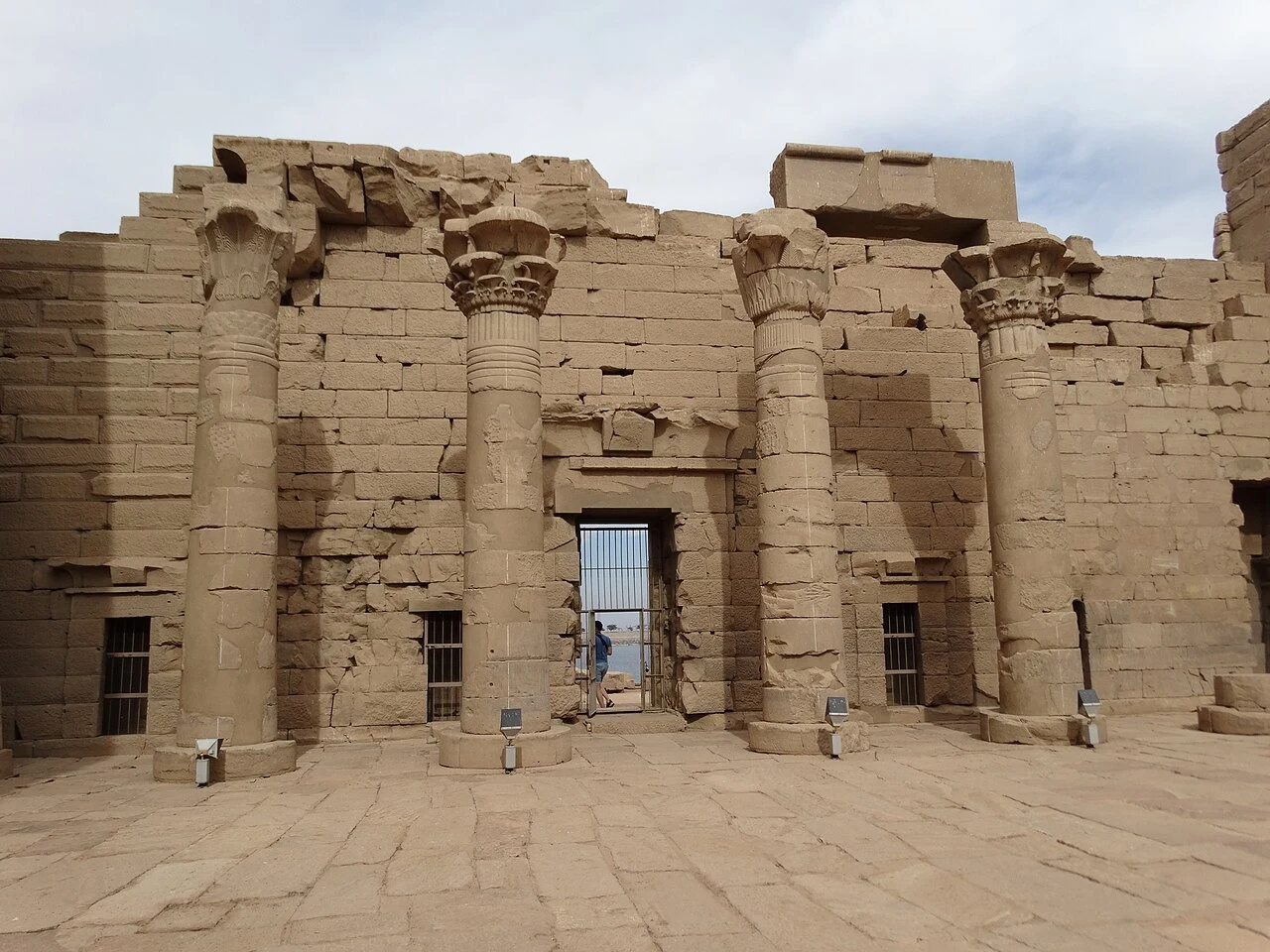
Kalabsha is one of the monuments relocated as Lake Nasser transformed Lower Nubia. Its quieter setting offers a strong way to discuss both Roman-period Egyptian temple culture and the modern archaeology of monument rescue.
Understand This Place →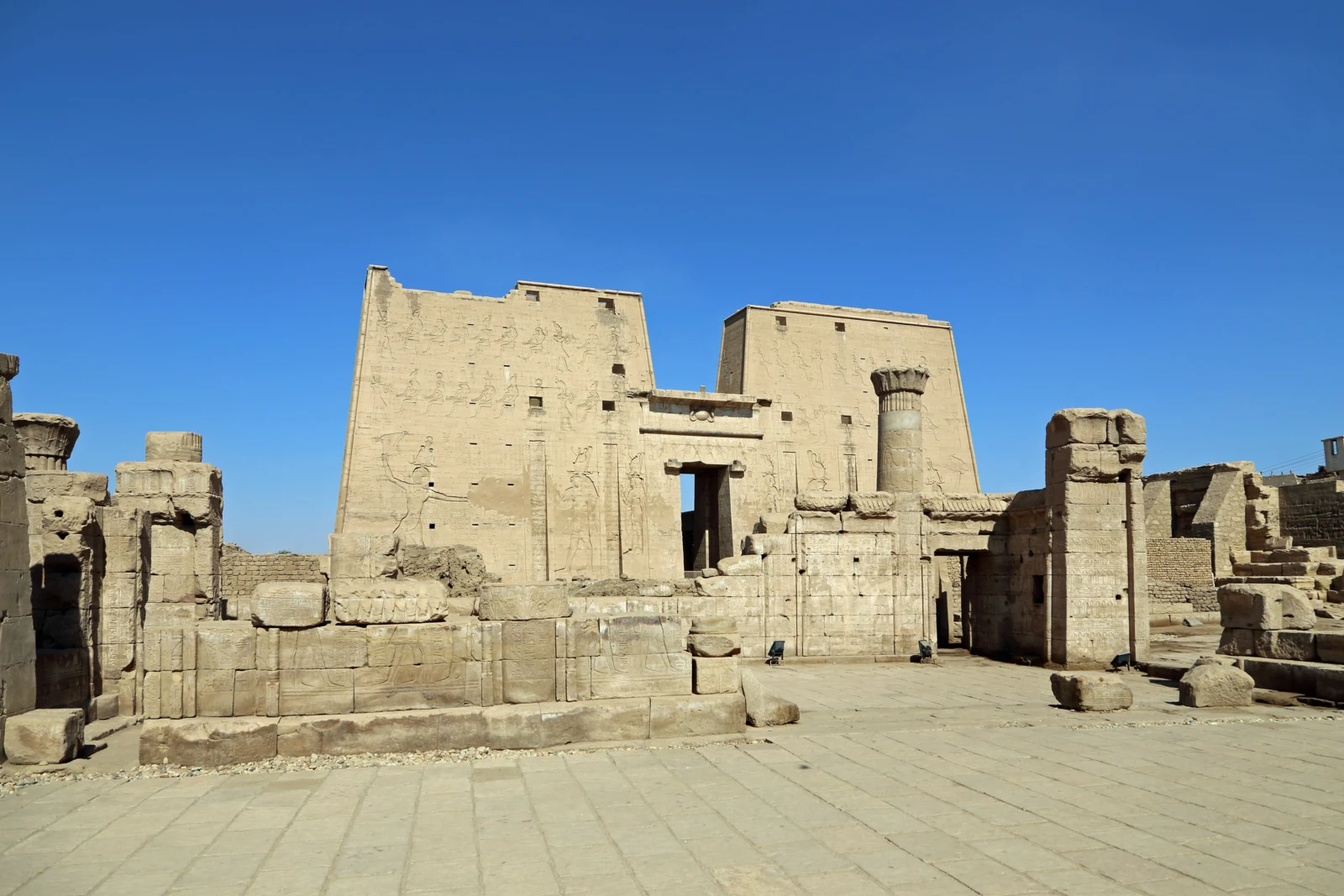
Edfu preserves one of Egypt’s most complete major temple complexes from the Ptolemaic period. Its architectural sequence helps explain how a later Egyptian temple was entered, used and understood ritually.
Understand This Place →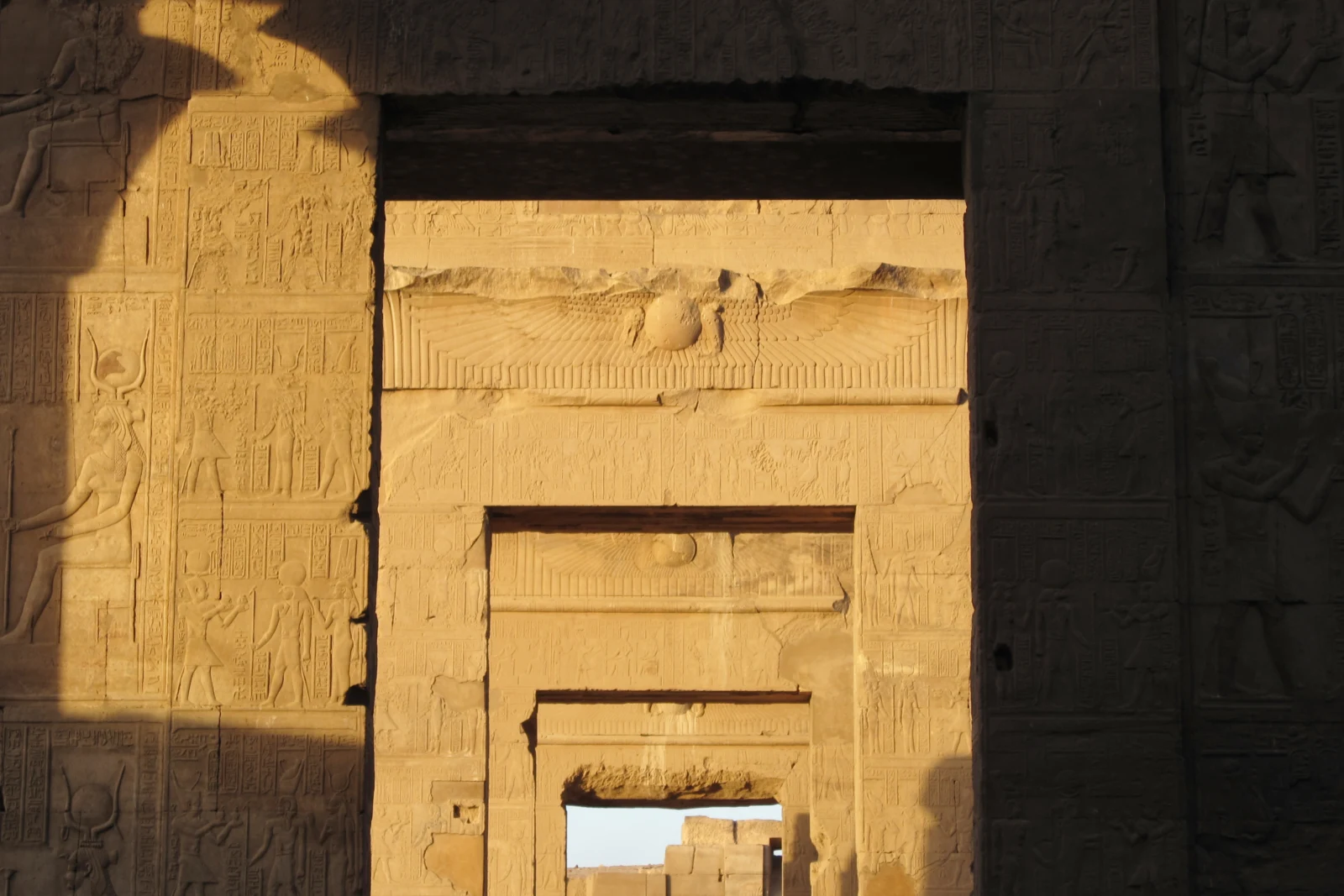
The temple at Kom Ombo occupies a prominent Nile-side position and has an unusual paired dedication. It is particularly useful for discussing Ptolemaic temple religion and the relationship between river geography and sacred architecture.
Understand This Place →