01
Medinet Habu
Medinet Habu is dominated by the memorial temple of Ramesses III. Its architecture, reliefs and later occupation give a different perspective on the institutional and political landscape of the Theban West Bank.
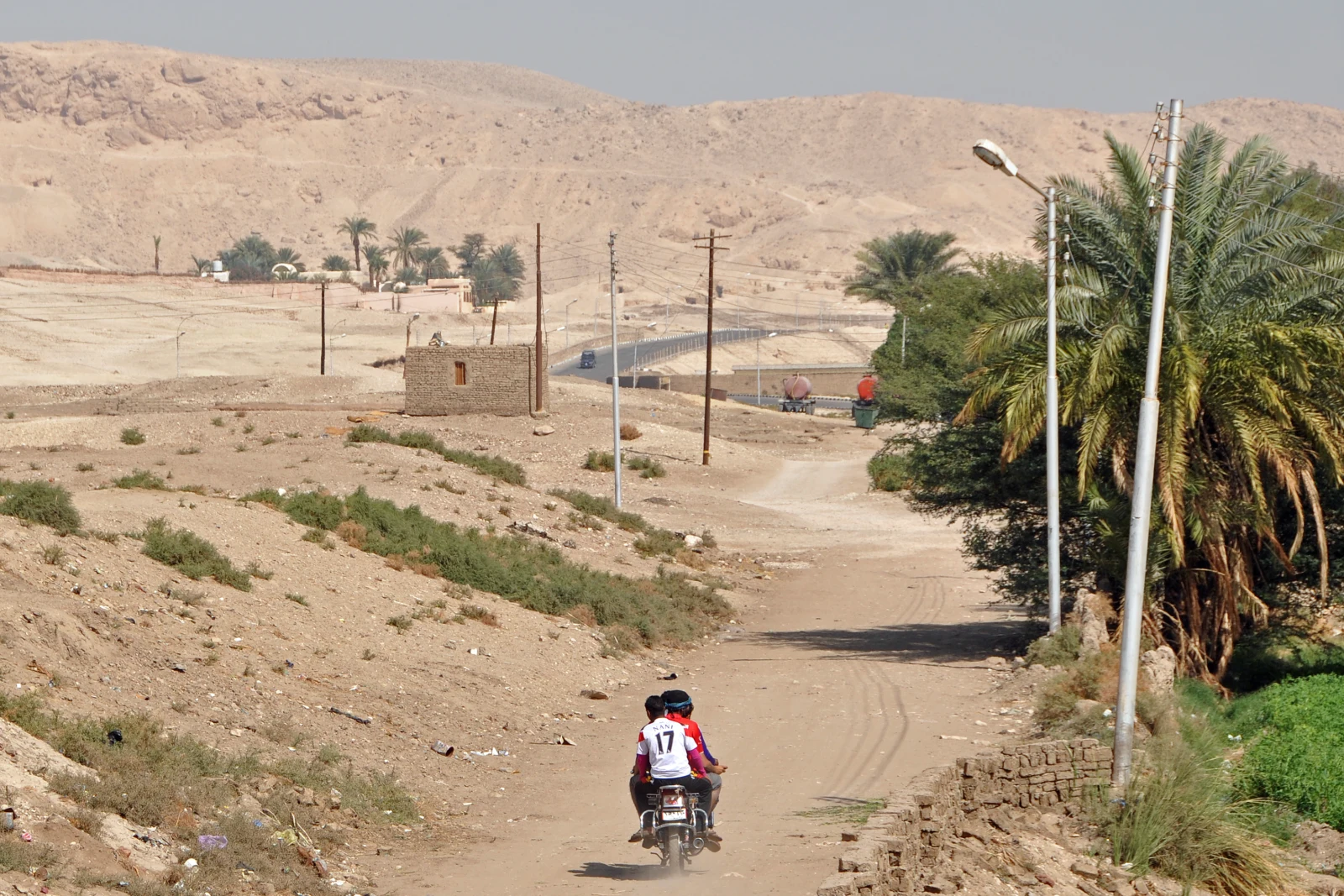
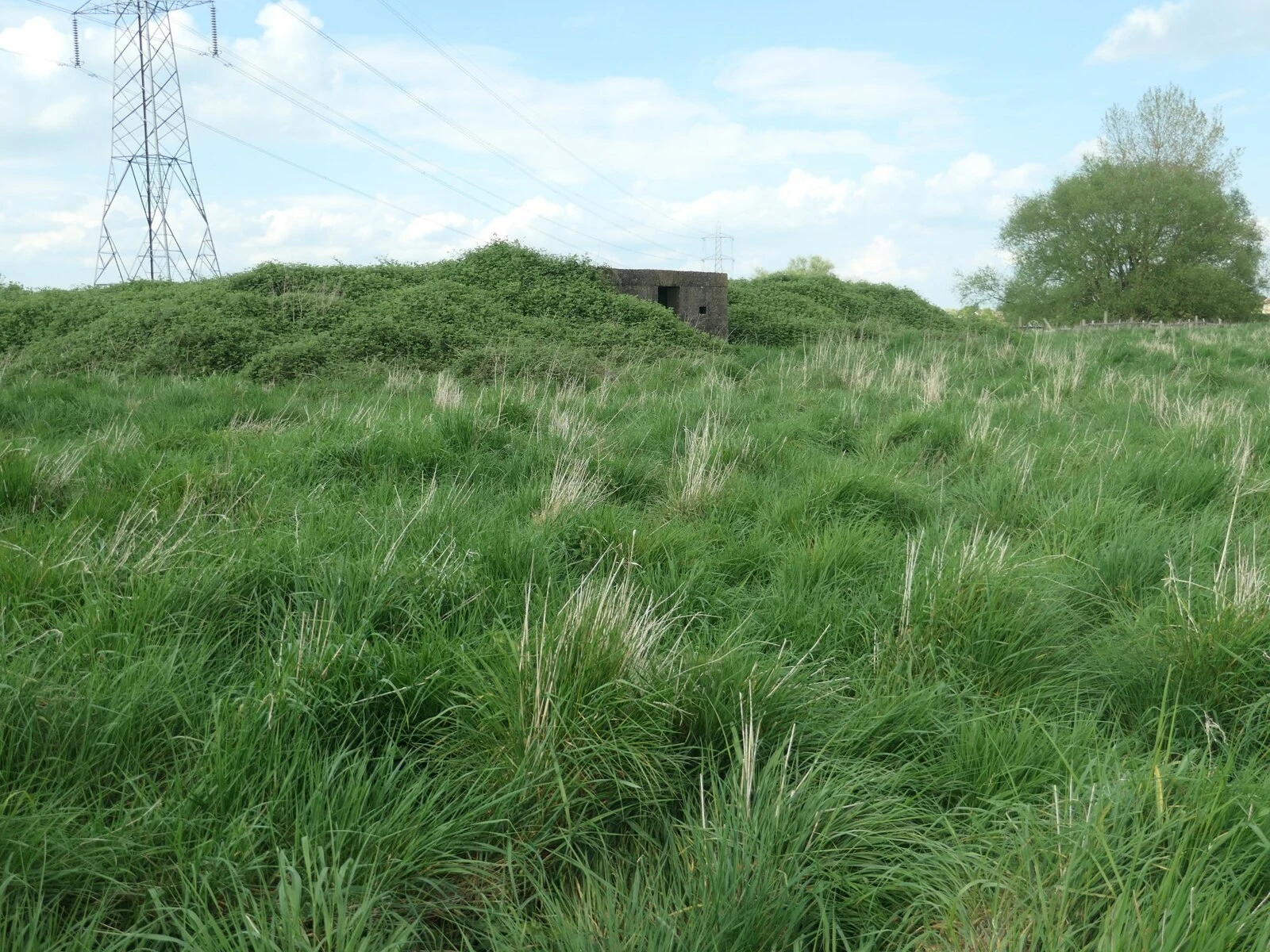
Meet ancient Thebes through the lives of workers, artists, officials and families beyond the famous royal monuments.
Journey overview
Meet ancient Thebes through the lives of workers, artists, officials and families beyond the famous royal monuments.
Hidden West Bank is for guests who want to move beyond the best-known royal tombs and examine the communities, officials and institutions around ancient Thebes. Its three approved experience areas remain non-chronological until the operating sequence is explicitly confirmed.
Why the journey works
The West Bank preserves more than royal monuments. Medinet Habu, Deir el-Medina and private Theban tombs bring institutions, skilled workers and officials into the story. Their evidence is different in character, so the journey interprets architecture, settlement, texts and funerary imagery without reducing them to a simple picture of “daily life”.
At a glance
Programme status
The experiences below belong to this journey, but their operating order is confirmed for the requested date before publication as a fixed sequence.
Medinet Habu is dominated by the memorial temple of Ramesses III. Its architecture, reliefs and later occupation give a different perspective on the institutional and political landscape of the Theban West Bank.
Deir el-Medina preserves the settlement and tombs associated with the skilled community who worked on royal tombs. Texts, ostraca, houses and private funerary material make it one of the richest sources for studying a documented ancient Egyptian community.
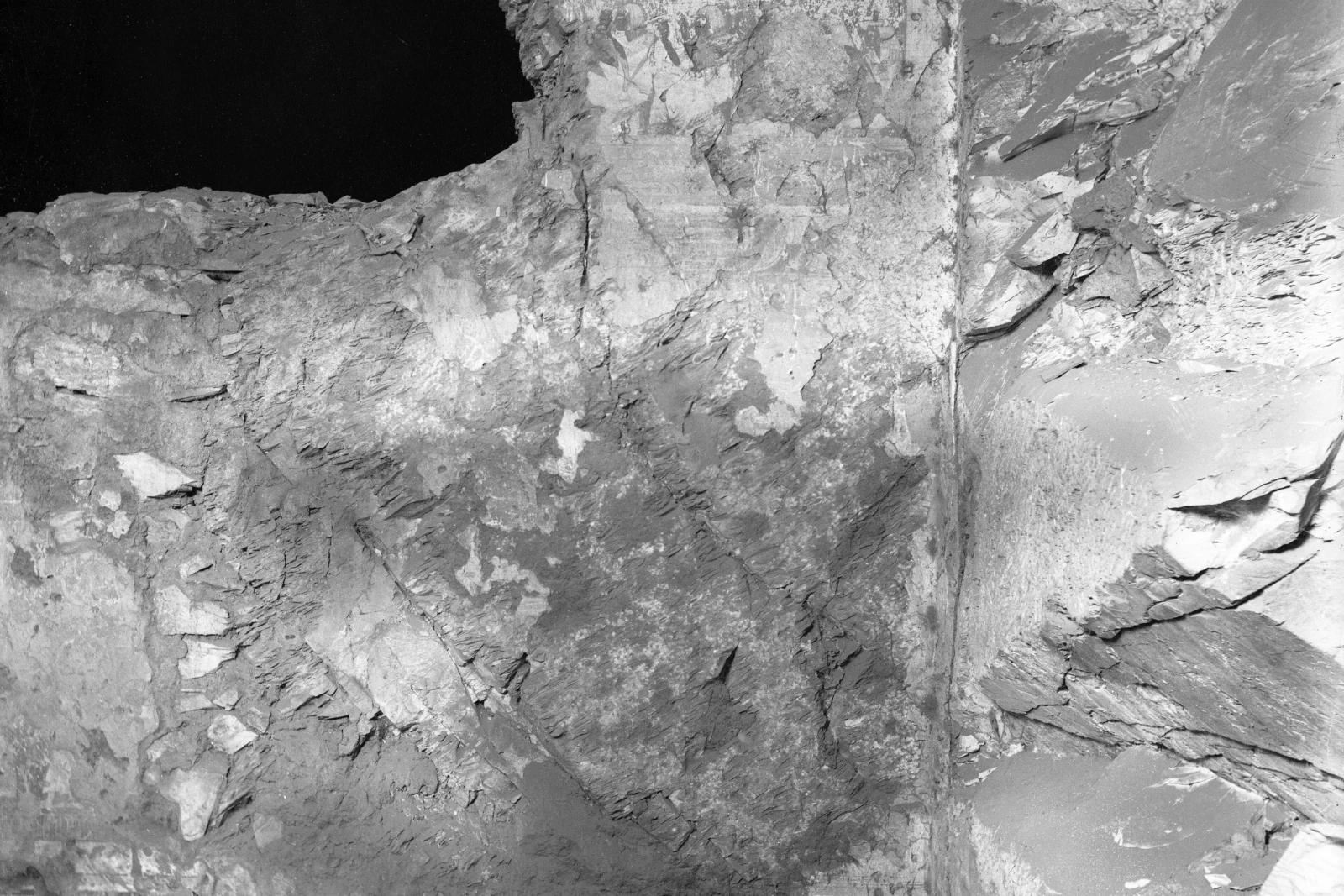
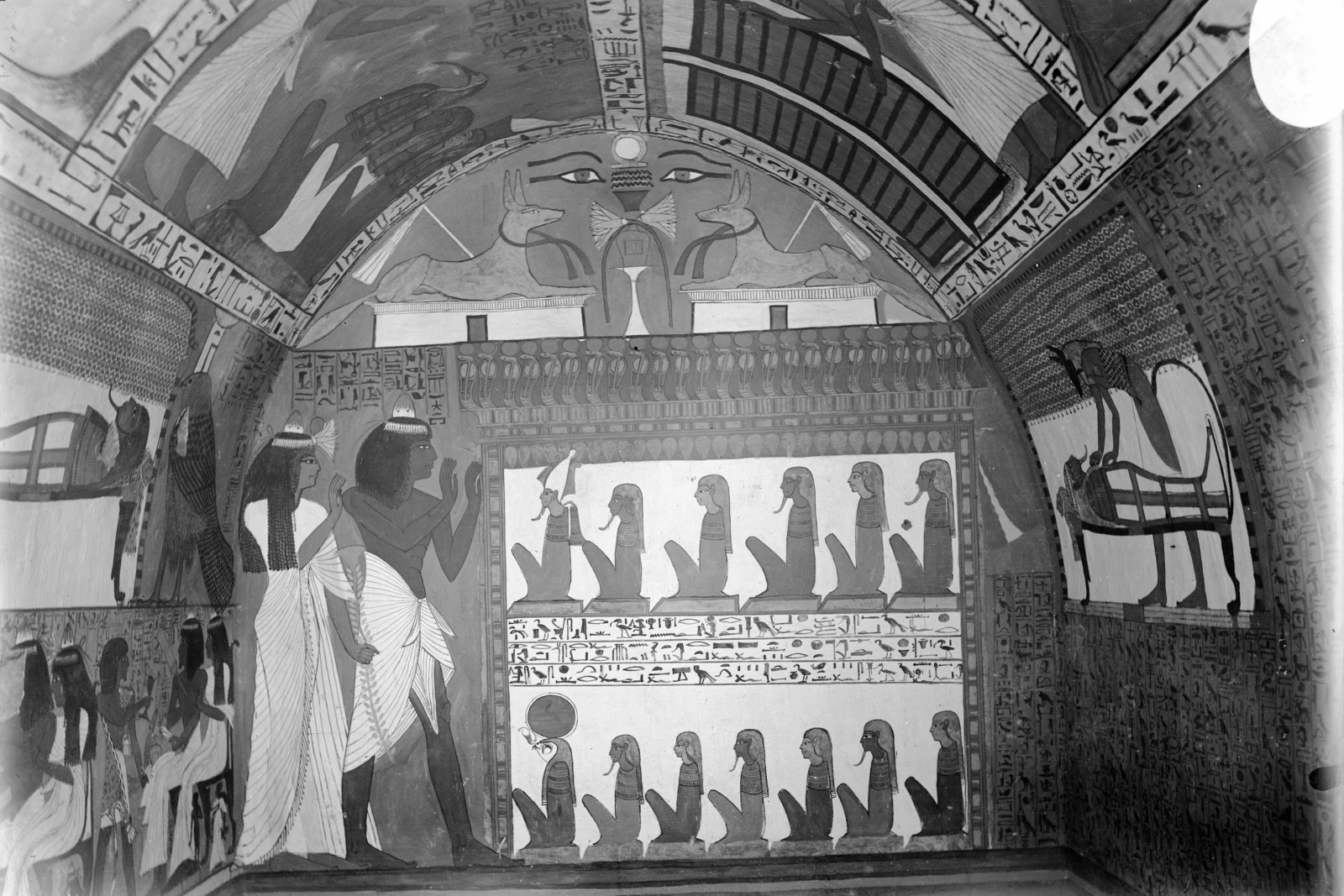
The private tombs of Theban officials preserve inscriptions and images concerned with office, family, status, ritual and the hoped-for afterlife. Their scenes are valuable evidence, but they should be interpreted as funerary representations rather than literal photographs of everyday life.
Places in this journey
Medinet Habu is dominated by the memorial temple of Ramesses III. Its architecture, reliefs and later occupation give a different perspective on the institutional and political landscape of the Theban West Bank.
Explore the place →Deir el-Medina preserves the settlement and tombs associated with the skilled community who worked on royal tombs. Texts, ostraca, houses and private funerary material make it one of the richest sources for studying a documented ancient Egyptian community.
Explore the place →The private tombs of Theban officials preserve inscriptions and images concerned with office, family, status, ritual and the hoped-for afterlife. Their scenes are valuable evidence, but they should be interpreted as funerary representations rather than literal photographs of everyday life.
Explore the place →Journey details
No permanent inclusion list has been approved for this journey. Your reviewed proposal will state transport, guiding, entrance fees, meals and exclusions individually before you decide.
Before you travel
Private-tomb and Deir el-Medina access can vary. The public Journey does not promise a permanent list of individual tombs, photography conditions or exact walking requirements until those details are operationally approved and current.
Frequently asked questions
Yes. The public page is a planning framework; the operating programme is reviewed for your dates and party.
A published figure is a dated planning rate for the stated guest count. Availability and the final quotation are confirmed personally.
Only after review of the approved Journey record, current access and operating conditions. Unconfirmed sequences are clearly marked.
Request this journey
Your request enters the existing Nile Experience planning system. Nothing is treated as booked until the programme, availability and final quotation are reviewed.
Related journeys

Discover where pharaohs prepared for eternity through the royal and memorial landscape of Luxor’s West Bank.
View journey →A connected introduction to ancient Thebes, beginning on the West Bank, pausing for lunch and continuing to the ceremonial East Bank.
View journey →