01
Philae Temple
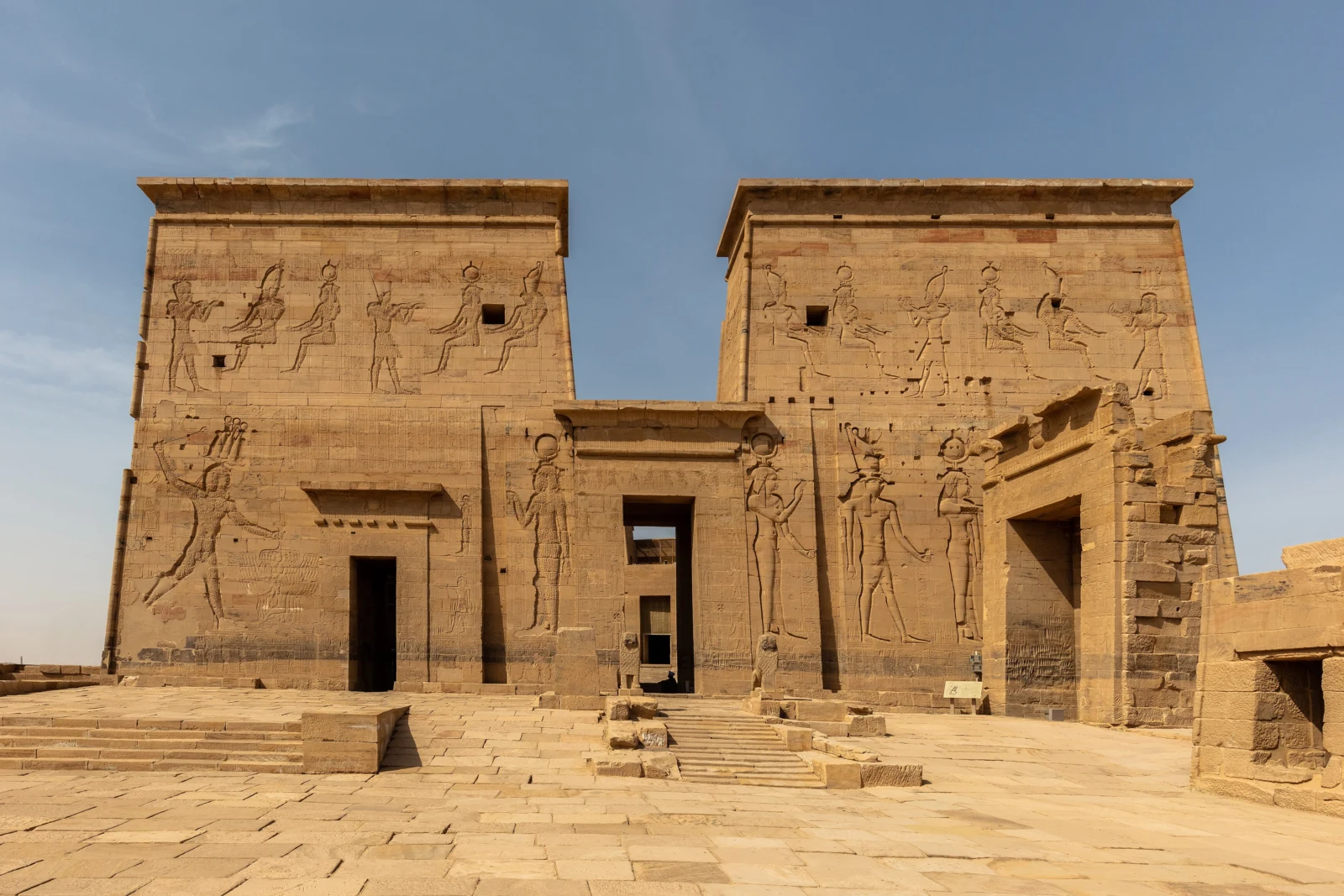
Reach Philae by motorboat. In peak periods it should be the first archaeological visit to protect the quieter morning window.
A focused introduction to Aswan through the Nile, Philae and the city’s southern geography. The exact operating order follows the approved Journey record and is not inferred from the experience list.
Journey overview
A focused introduction to Aswan through the Nile, Philae and the city’s southern geography. The exact operating order follows the approved Journey record and is not inferred from the experience list.
Aswan is best understood through its river geography rather than as a checklist of monuments. This focused introduction connects the Nile, Philae and the city’s southern setting while leaving the exact operating sequence to the approved Journey record.
Why the journey works
The First Cataract, islands, granite and river channels explain why Aswan developed as a southern threshold. The Journey is designed to orient guests to that geography before adding deeper Nubian, island or Abu Simbel experiences.
This is the complete first-visit Aswan day. Philae carries the strongest archaeological and emotional weight and should normally be protected from peak heat and crowding. The High Dam explains the modern transformation of the landscape; the Unfinished Obelisk returns the story to ancient engineering. Lunch provides a recovery interval before the air-conditioned Nubian Museum.
Approved journey structure
Timing and access are rechecked before travel; the approved order below provides the planning structure.
Reach Philae by motorboat. In peak periods it should be the first archaeological visit to protect the quieter morning window.
Understand the modern intervention that reshaped Nubia and made the international rescue campaign necessary.
Read stone extraction, tool marks and the practical limits of monumental construction.
Pause for lunch in a carefully selected Nubian or Aswan family setting, or a quality local restaurant when a home meal is unavailable.
Complete the day with Nubian history, displacement, archaeology and the international rescue of the monuments.
Places in this journey
The monuments of Philae, now on Agilkia Island, are centred on the sanctuary of Isis and belong largely to the Ptolemaic and Roman periods. Their modern setting also tells the story of the international Nubian rescue campaign.
Explore the place →The Aswan High Dam transformed the Nile, created Lake Nasser and profoundly affected Nubian landscapes and communities. Its interpretation belongs with the modern history of water management, displacement and the international monument-rescue campaign.
Explore the place →The Unfinished Obelisk remains attached to the granite bedrock in Aswan’s ancient quarry landscape. Tool marks and the abandoned stone help explain quarrying, material limits and the enormous practical work behind monumental construction.
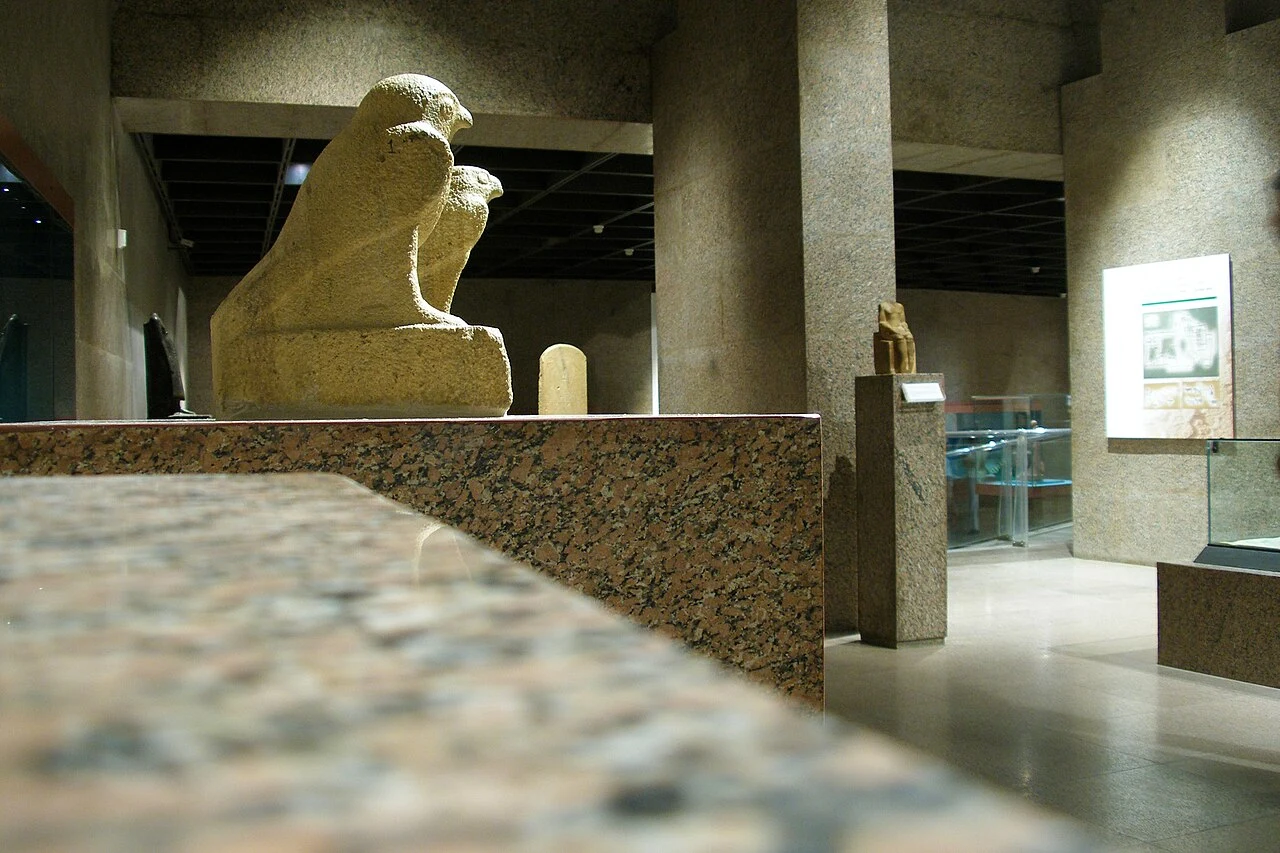
Explore the place →The Nubian Museum provides essential historical context for Nubia, including archaeology, cultural continuity and the modern consequences of the High Dam and rescue campaigns. It is especially useful before or after visits to Nubian sites and communities.
Explore the place →Journey details
Before you travel
Heat, boat movements and current site access can change the way the day is arranged. Exact timing and operating order are confirmed for the travel date rather than fixed permanently on the page.
The day is intentionally comprehensive and is not suitable for an arrival or departure day.
Frequently asked questions
Private daily; selected small-group departures only after departure inventory is implemented
Approximately 5–6 hours Start early, normally 07:30–08:00
The approved route provides the planning structure. Exact timing, current access and operating conditions are reconfirmed before the journey.
Request this journey
Your request enters the existing Nile Experience planning system. Nothing is treated as booked until the programme, availability and final quotation are reviewed.
Related journeys
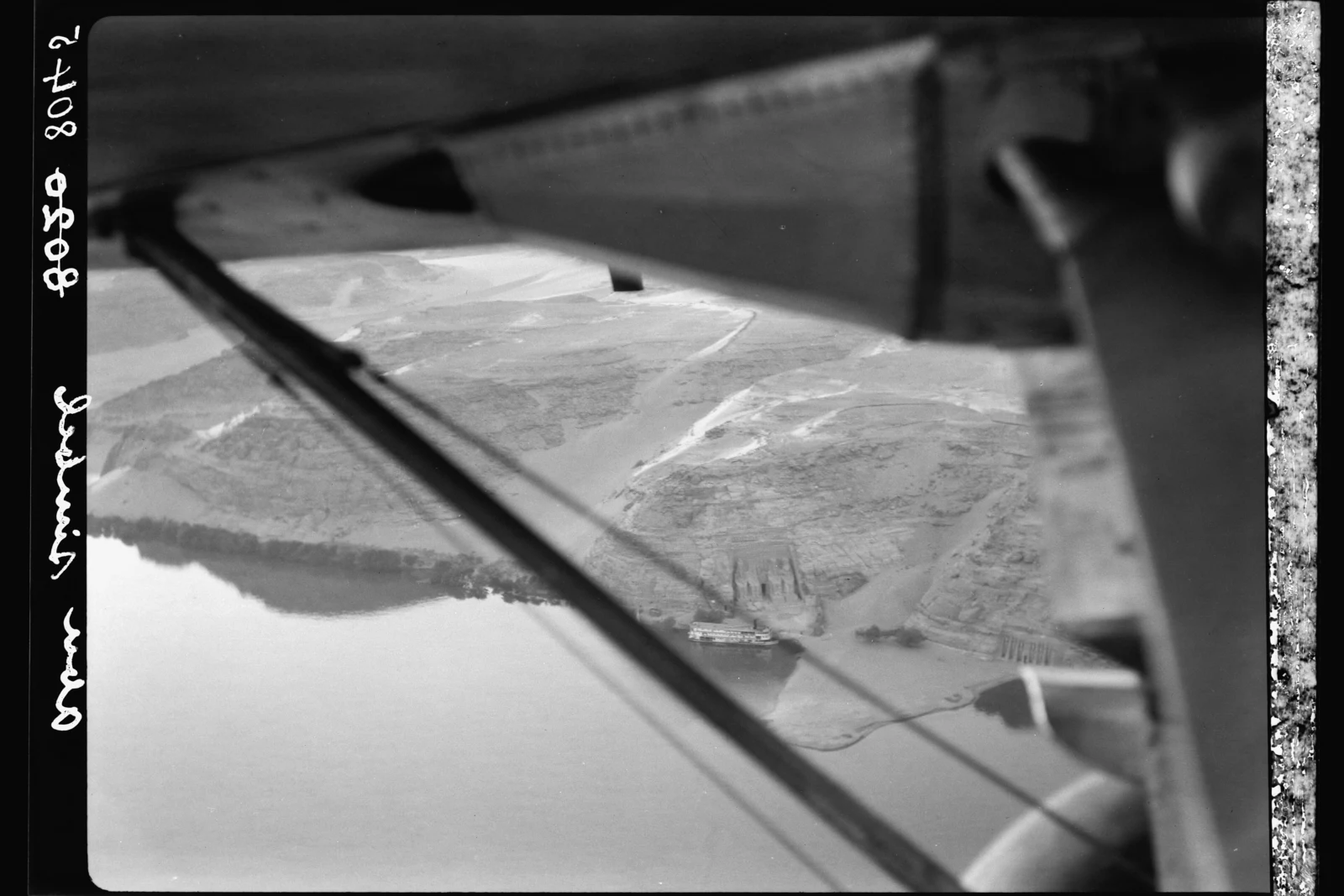
A flight-dependent Abu Simbel experience for guests who want to reduce road time. Airport transfers, flight timing and temple access remain coordinated around the actual operating schedule.
View journey →A private road journey to the temples of Abu Simbel that treats the long desert drive honestly and gives Ramesses II, Nefertari, Nubia and the monument-rescue story the context they deserve.
View journey →An overnight Abu Simbel journey that creates more time around the temples and Lake Nasser than a same-day return. Exact accommodation, timing and operating sequence remain controlled by the approved Journey record.
View journey →