Skip to content
Private Egypt journeys, designed locally.Talk to us
Nile Experience

Discover Egypt

Cairo

Cairo is where ancient royal landscapes, museums, medieval streets, living faiths and the modern capital meet.

Why Cairo Matters

A place with its own logic.

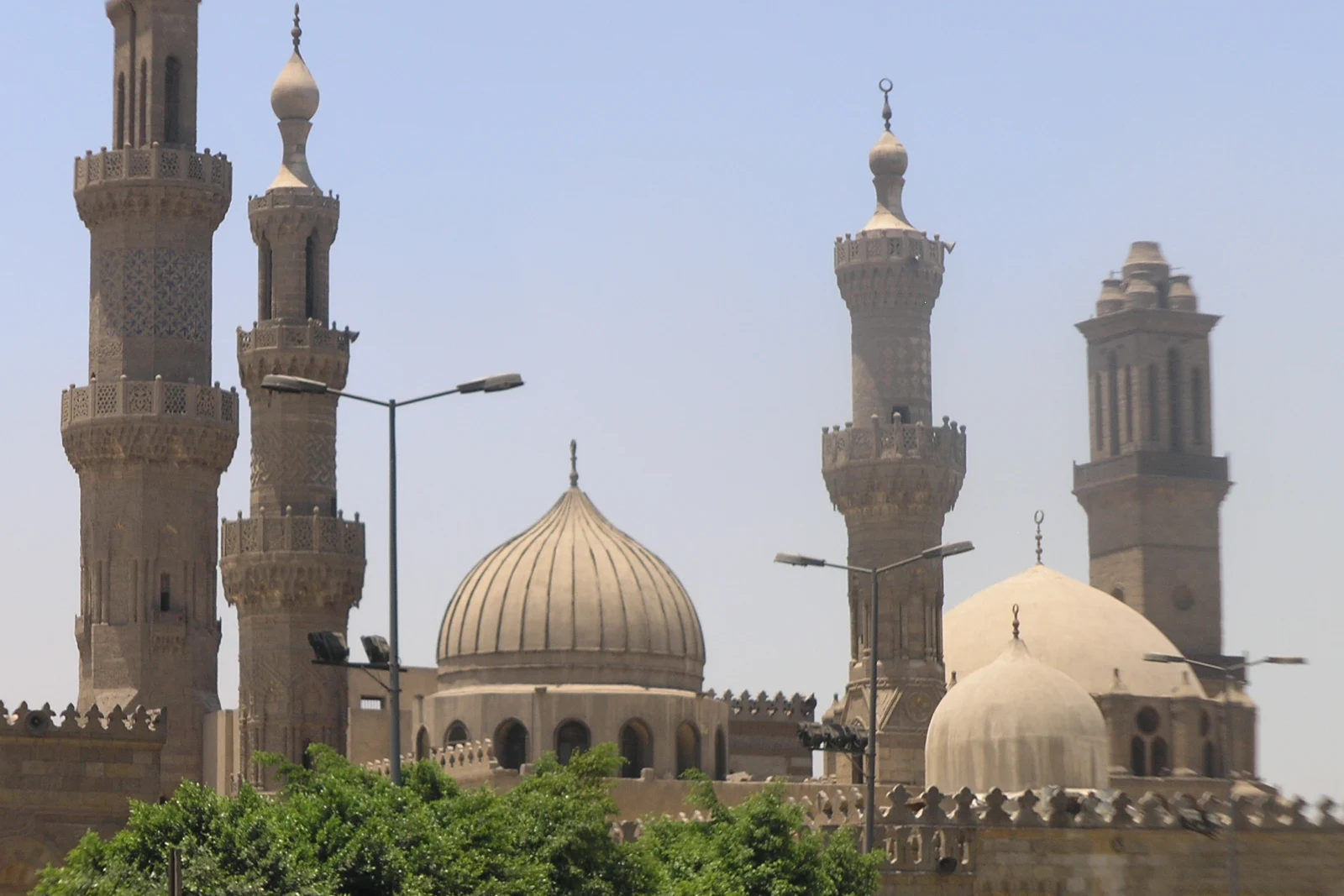
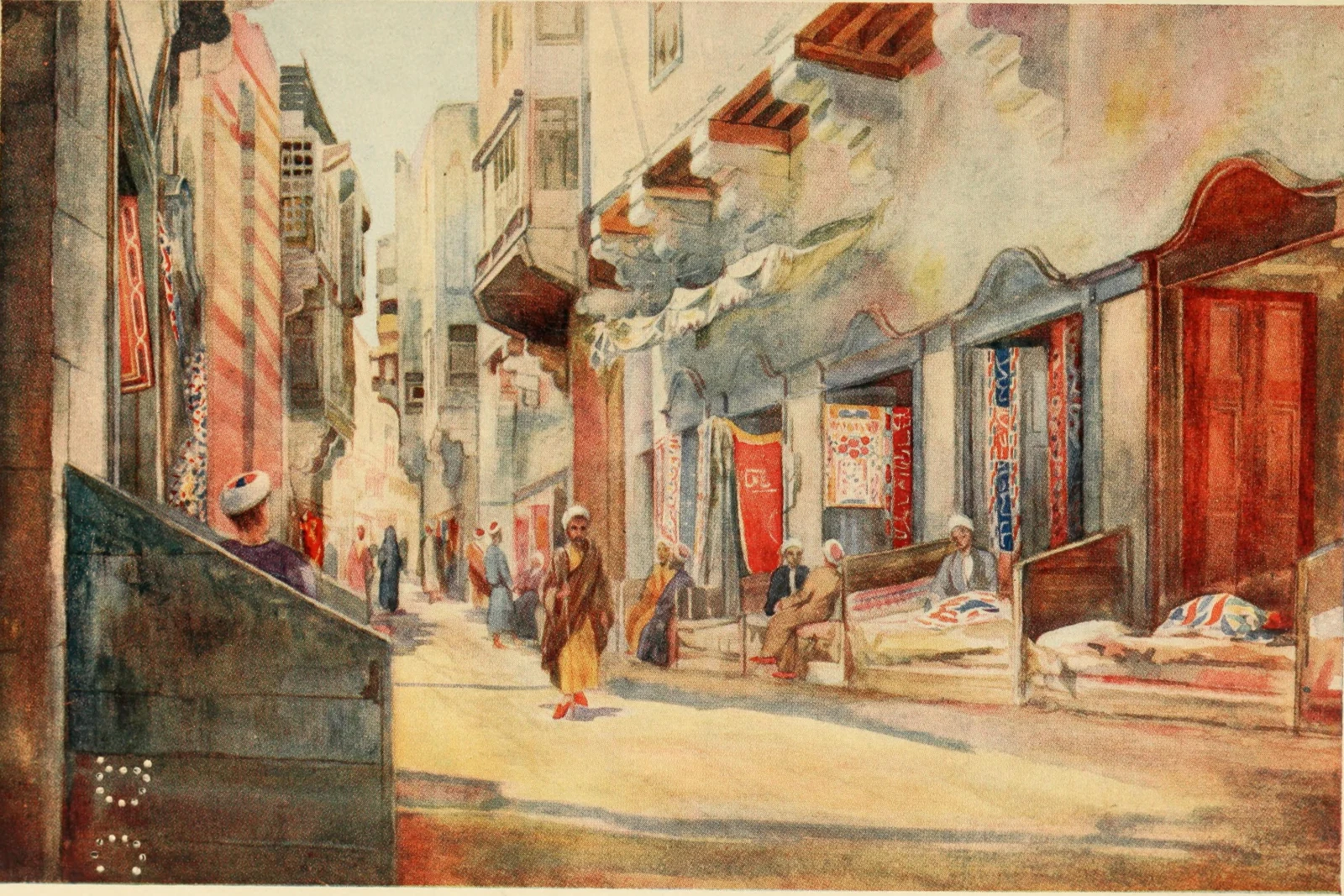
Cairo matters because no single period explains the city. Giza and Saqqara establish the ancient royal landscape; museums bring objects and chronology together; historic Cairo reveals later religious, political and urban layers; the contemporary city keeps all of those histories in motion.
Understanding Cairo

See the landscape before the itinerary.

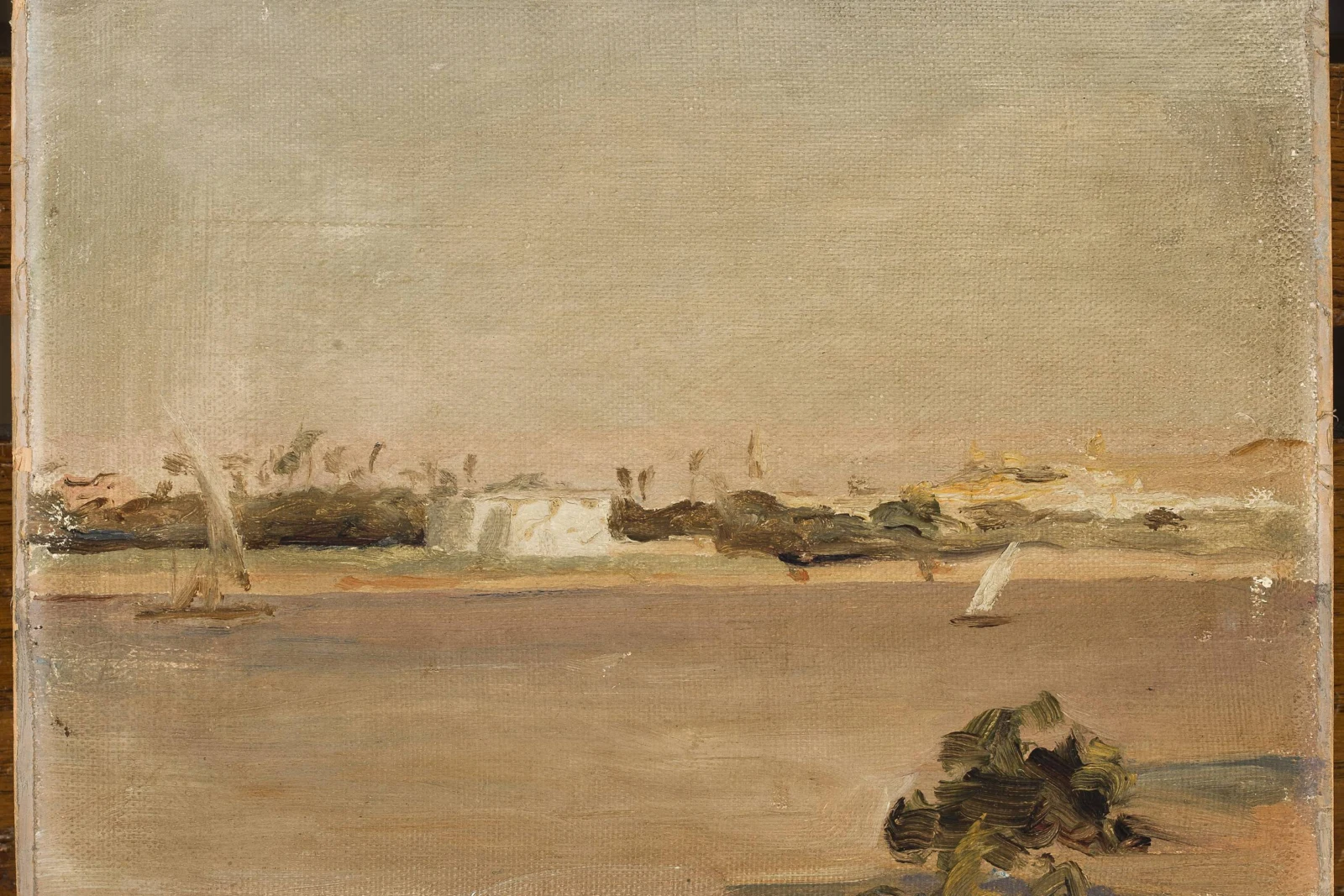
Think of Cairo as connected landscapes rather than isolated attractions: the Memphite necropolis to the west and south, the Nile corridor, historic religious quarters and the modern metropolis.

First Time

Start with the places that make the destination legible.

For a first visit, combine one strong ancient-Egypt day with one day that explains the city itself. Add further archaeology or museums when your interests justify the depth.

Selected Journeys

Ways to experience Cairo.

Choose by depth, time and interest rather than by how many stops fit into a day.

Places

Places that shape Cairo.

Giza Plateau

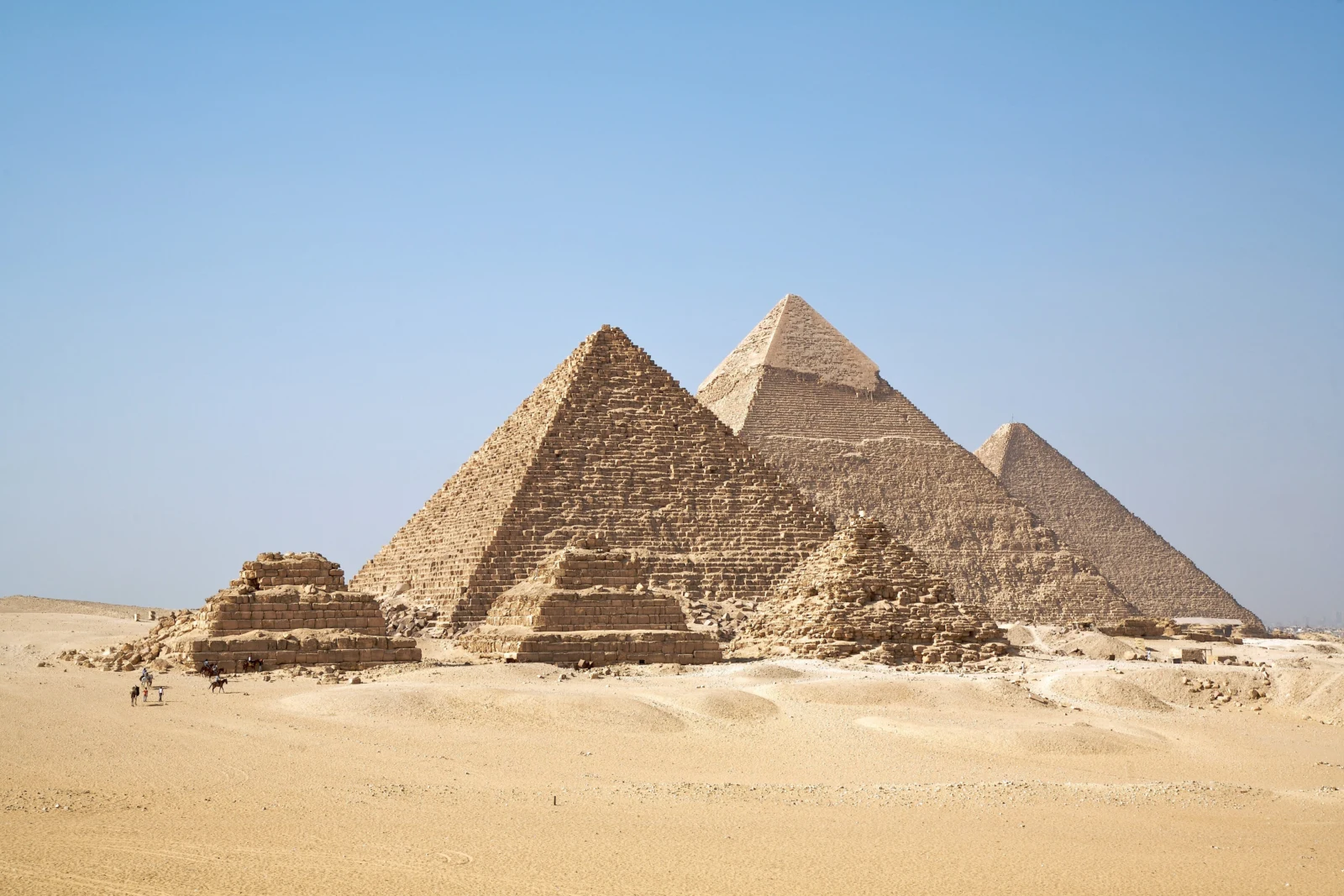
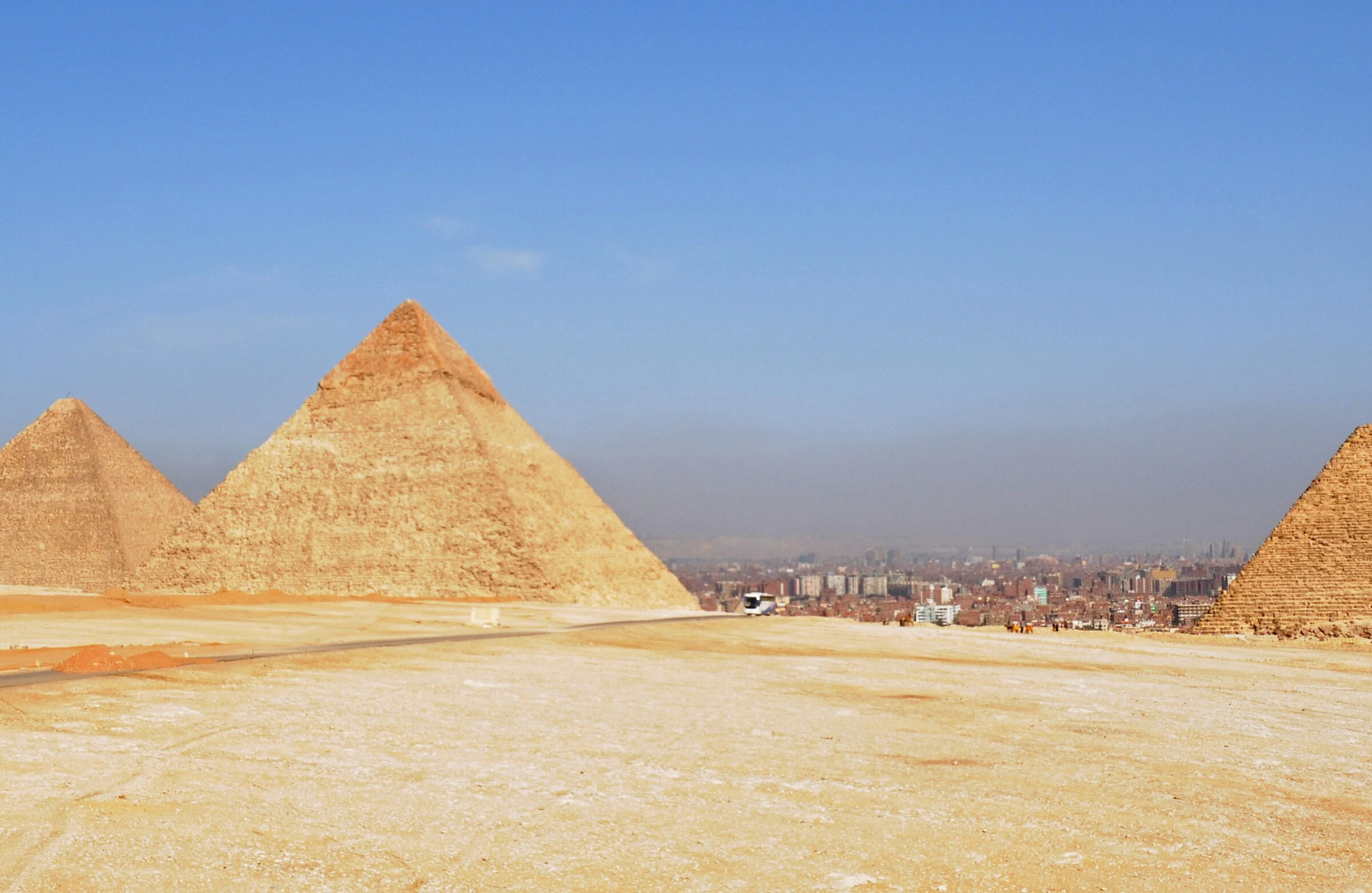
The Giza Plateau brings together the pyramids of Khufu, Khafre and Menkaure with temples, cemeteries and the Great Sphinx. It is best understood as a royal funerary landscape rather than as three isolated pyramids.

Great Sphinx of Giza

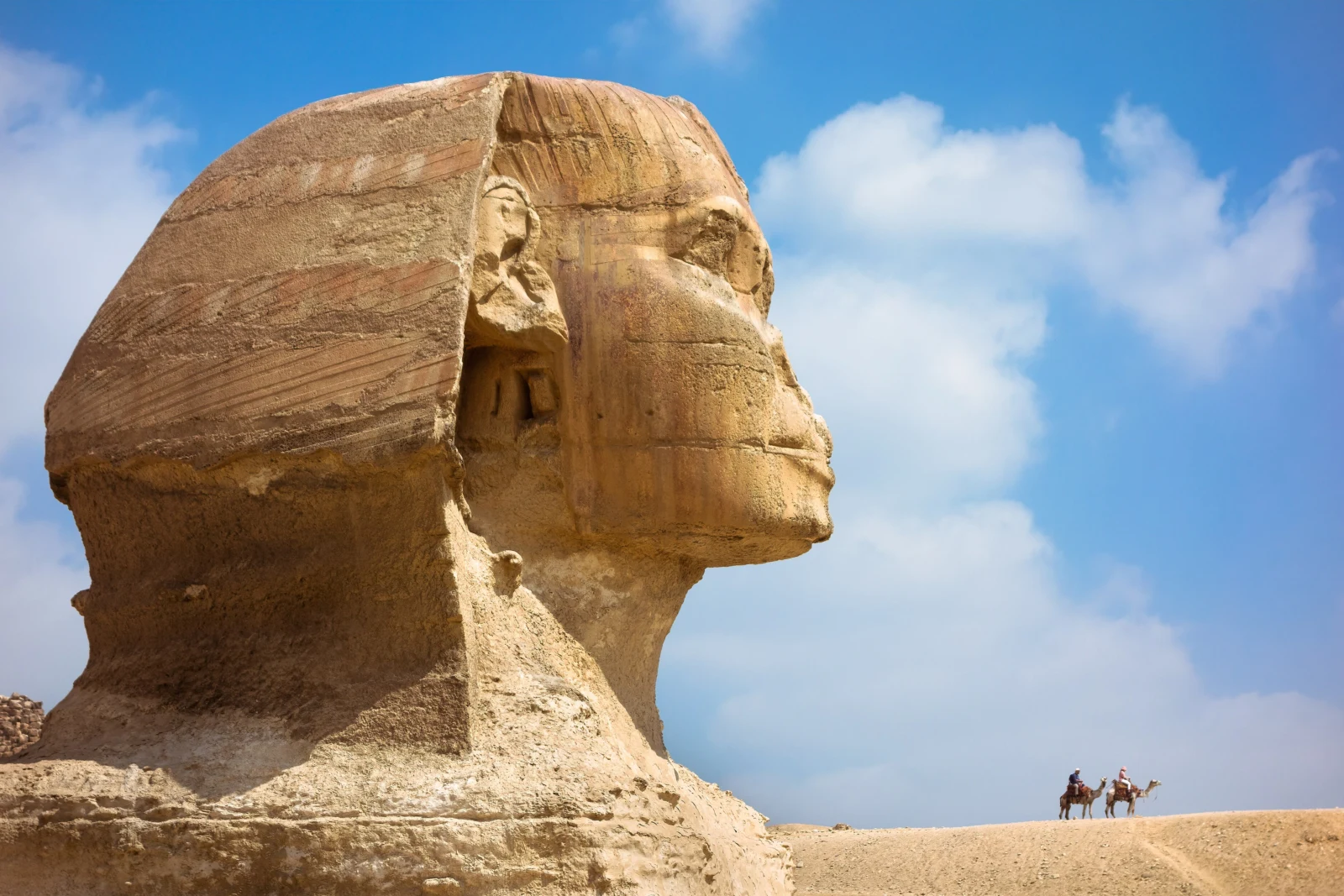
Carved from the limestone bedrock beside Khafre’s valley-temple complex, the Great Sphinx combines a lion’s body with a royal human head. Its exact ancient name and some aspects of its interpretation remain debated.

Grand Egyptian Museum

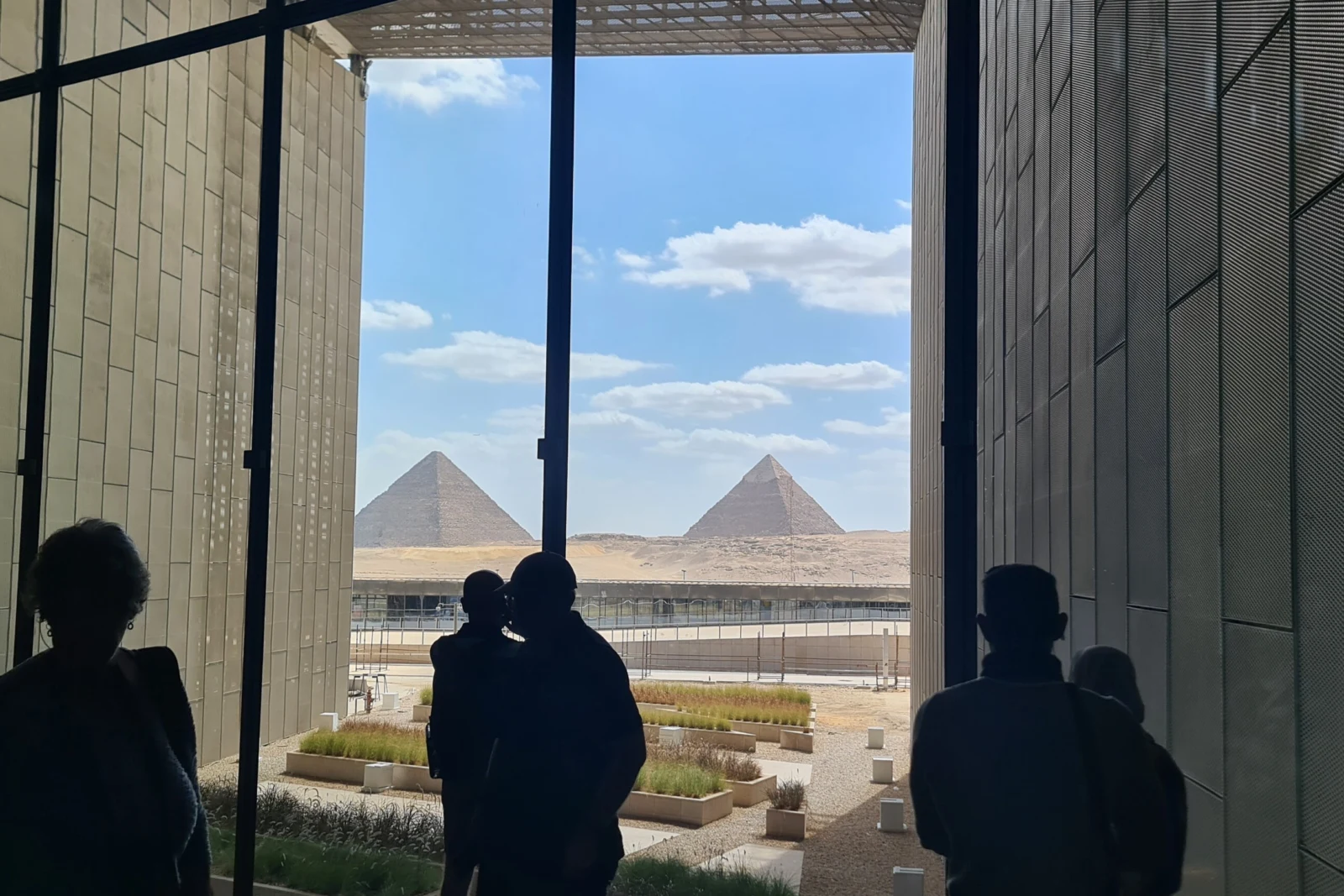
The Grand Egyptian Museum at Giza is designed around the material culture of ancient Egypt and its relationship to the nearby pyramid landscape. Current galleries, ticketing and access should be verified close to travel.

Saqqara

Saqqara preserves more than three millennia of funerary architecture and is central to understanding how Egyptian royal tomb building developed. The Step Pyramid complex of Djoser is one part of a much larger archaeological landscape.

Memphis

Memphis was one of ancient Egypt’s principal political and religious centres, positioned near the apex of the Nile Delta. Surviving remains help connect the nearby pyramid fields to the city they served.

Dahshur

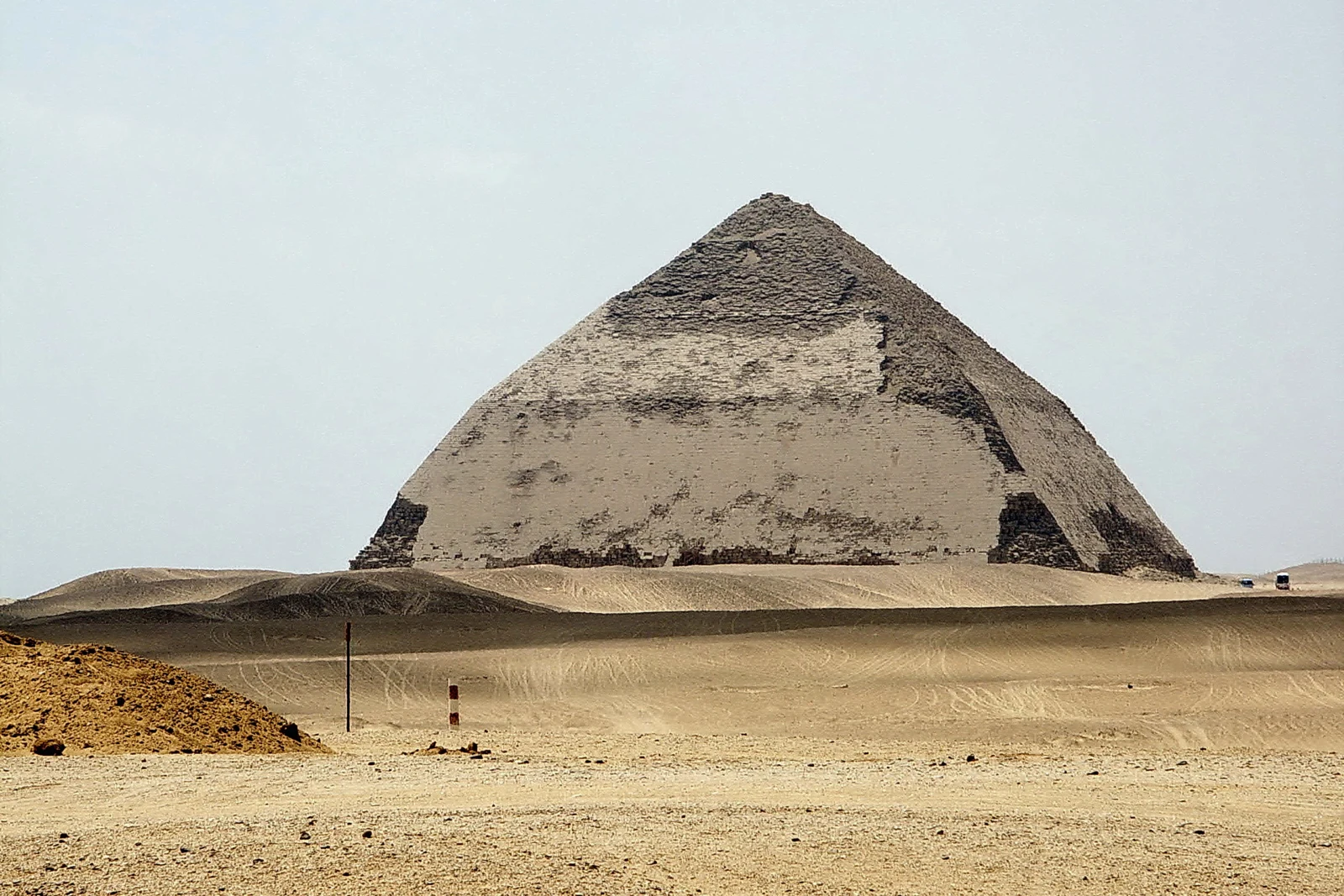
Dahshur is crucial to the development of pyramid architecture, especially through the Bent Pyramid and Red Pyramid associated with Sneferu. Its open desert setting makes changes in royal pyramid design easier to read.

Living Egypt

Beyond the Monuments

Markets, cafés, neighborhoods, food and active religious communities are part of Cairo today. They should be approached as living places, not decorative backdrops.

Planning

How Long Do You Need?

Three to five days allows a useful first understanding of Cairo without forcing Giza, Saqqara, museums and historic districts into one rushed schedule.

Planning

What Changes the Way We Plan It?

Traffic, museum opening patterns, heat, special-entry pyramid tickets and the balance between archaeology and the living city all change how a Cairo programme should be built.

Practical

Practical Cairo

Exact driving times, current museum hours and special-access conditions should be checked close to travel.

Journal & Academy

Go deeper before you arrive.

Planning and Egyptology content connect directly to the destination.

Continue Through Egypt

Connect Cairo to the wider journey.

Start with the destination, then build a route that makes sense across Egypt.

Start Planning