01
Hotel or Nile Cruise Pickup
Pickup is arranged separately according to the confirmed programme.
A connected introduction to ancient Thebes, beginning on the West Bank, pausing for lunch and continuing to the ceremonial East Bank.
Journey overview
A connected introduction to ancient Thebes, beginning on the West Bank, pausing for lunch and continuing to the ceremonial East Bank.
Thebes Essential is designed as one coherent introduction to the royal and ceremonial landscapes of ancient Thebes rather than two disconnected banks.
At a glance
Approved journey structure
Timing and access are rechecked before travel; the approved order below provides the planning structure.
Pickup is arranged separately according to the confirmed programme.
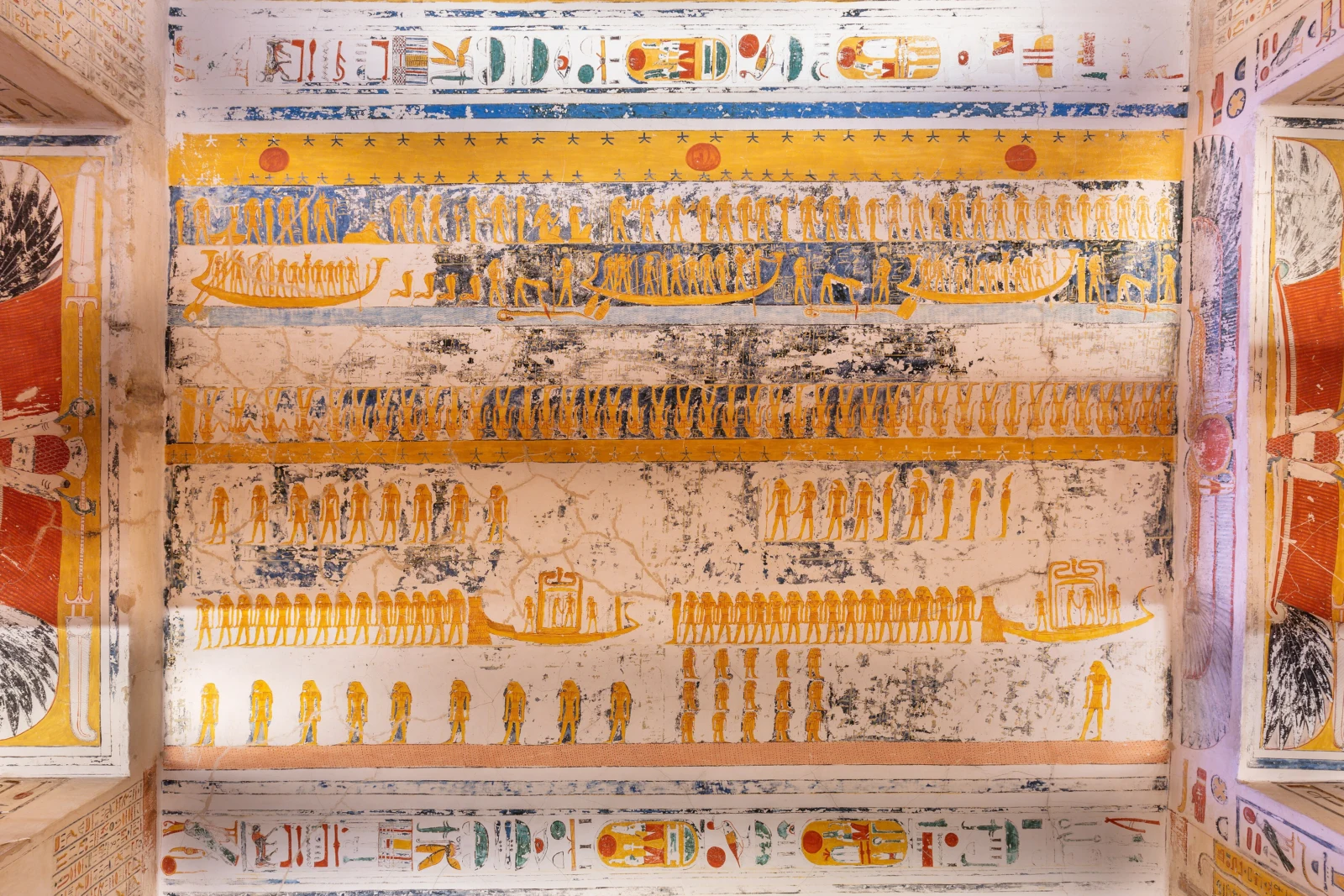
The royal necropolis of the New Kingdom forms the first major archaeological focus of the day.
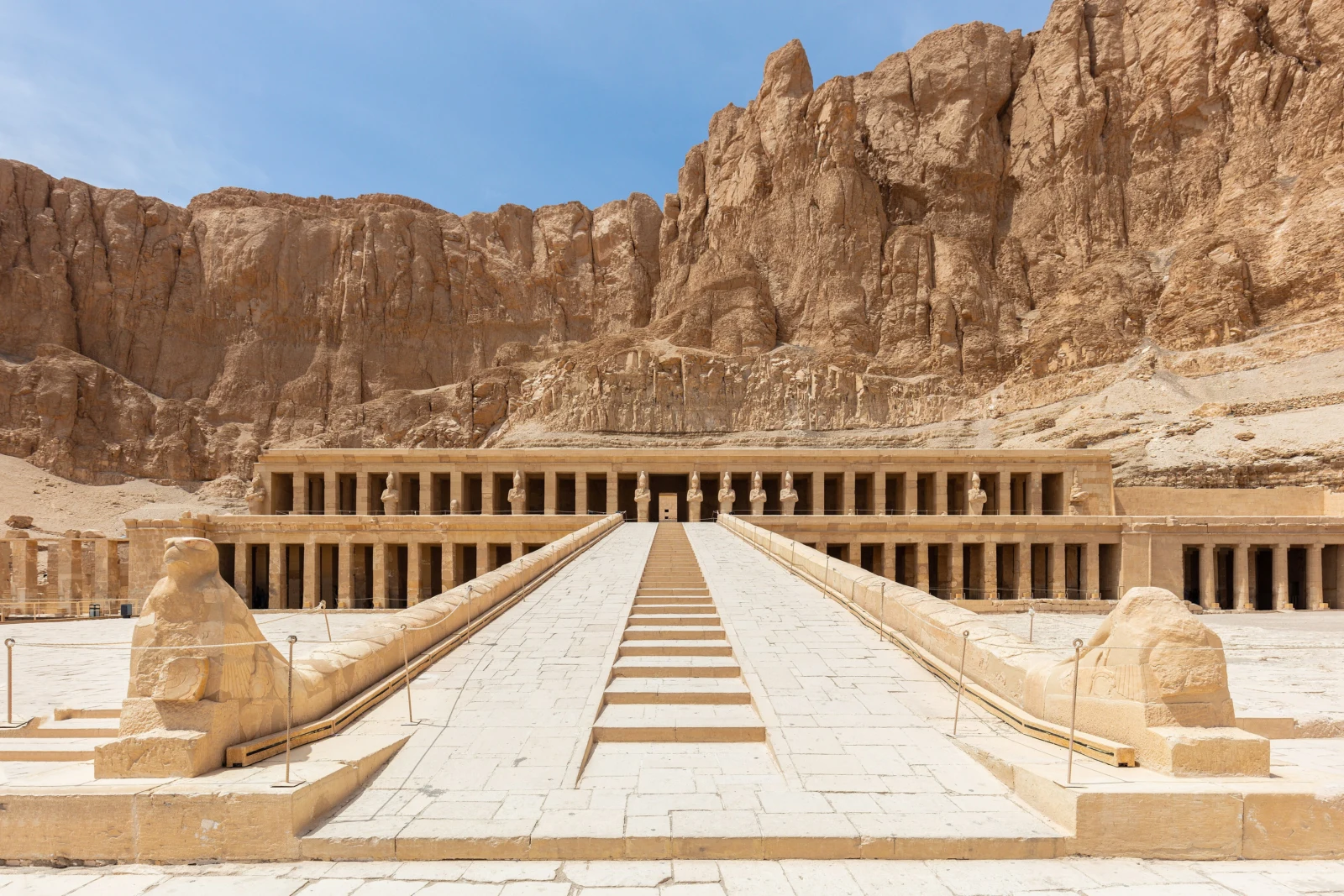
Hatshepsut’s memorial temple adds architecture, kingship and landscape to the West Bank story.
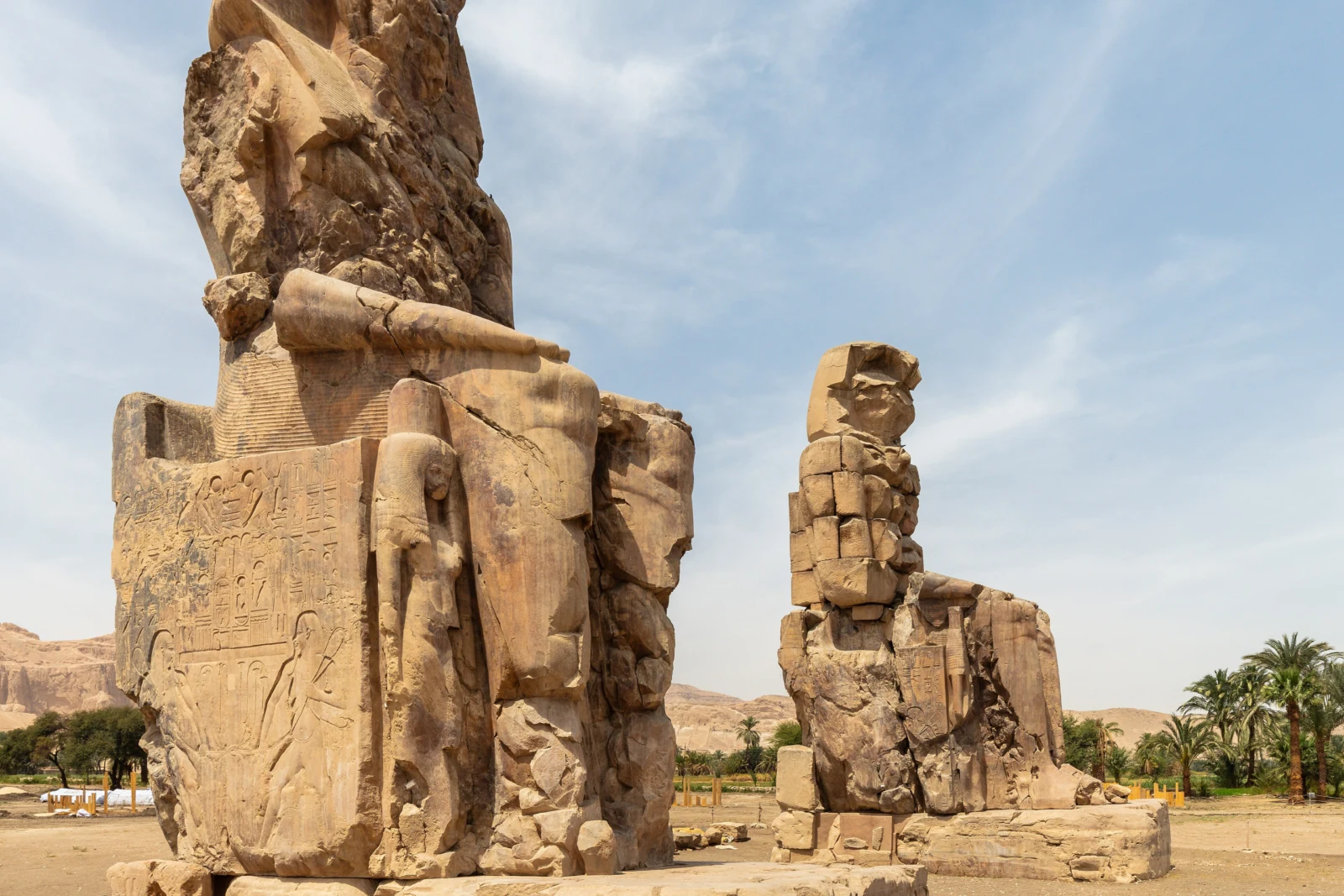
The colossal statues mark the wider memorial landscape associated with Amenhotep III.
Lunch separates the West Bank morning from the East Bank afternoon. Exact commercial inclusion wording remains operations-controlled.
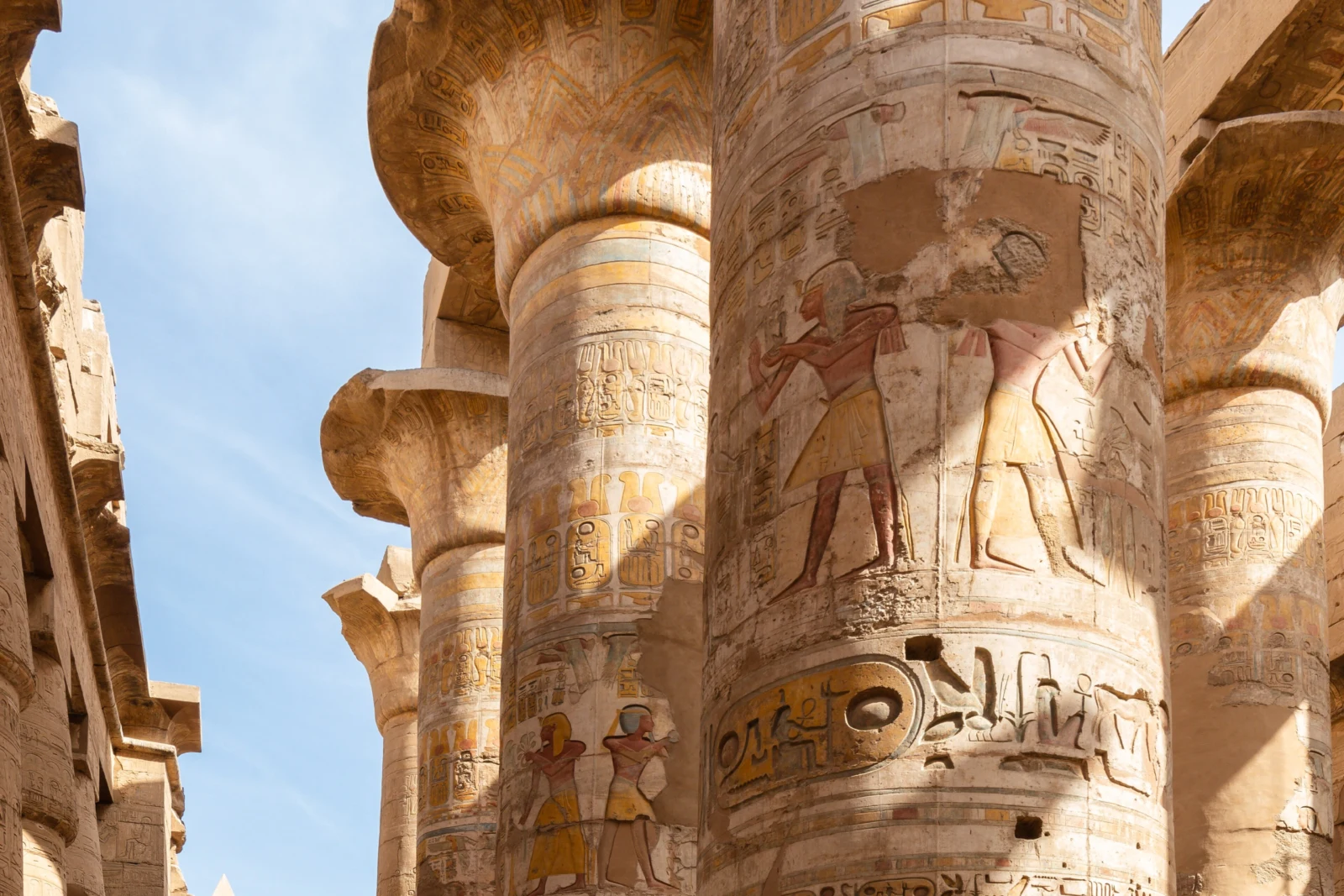
The afternoon moves to Karnak and the ceremonial temple landscape of ancient Thebes.
Luxor Temple and the Avenue of Sphinxes complete the ceremonial relationship between the major East Bank temples.
Return arrangements depend on the confirmed operating programme.
Places in this journey
The Valley of the Kings was a principal royal burial place during the New Kingdom. Individual tomb access changes, so a strong visit focuses on the necropolis as a whole and chooses open tombs according to archaeology, physical access and current conditions.
Explore the place →Hatshepsut’s memorial temple at Deir el-Bahari rises in terraces against the western cliffs. Architecture, kingship, cult and landscape are inseparable here, making the temple one of the clearest places to discuss royal memory on the Theban West Bank.
Explore the place →The Colossi of Memnon are two monumental seated statues of Amenhotep III that once stood before his vast memorial temple. They are useful not as an isolated photo stop, but as evidence for the scale of a largely lost royal complex.
Explore the place →Karnak is a vast temple complex developed over many reigns, with the cult of Amun at its core. Courts, pylons, obelisks, sanctuaries and processional routes make sense when read as successive layers of royal and religious activity.
Explore the place →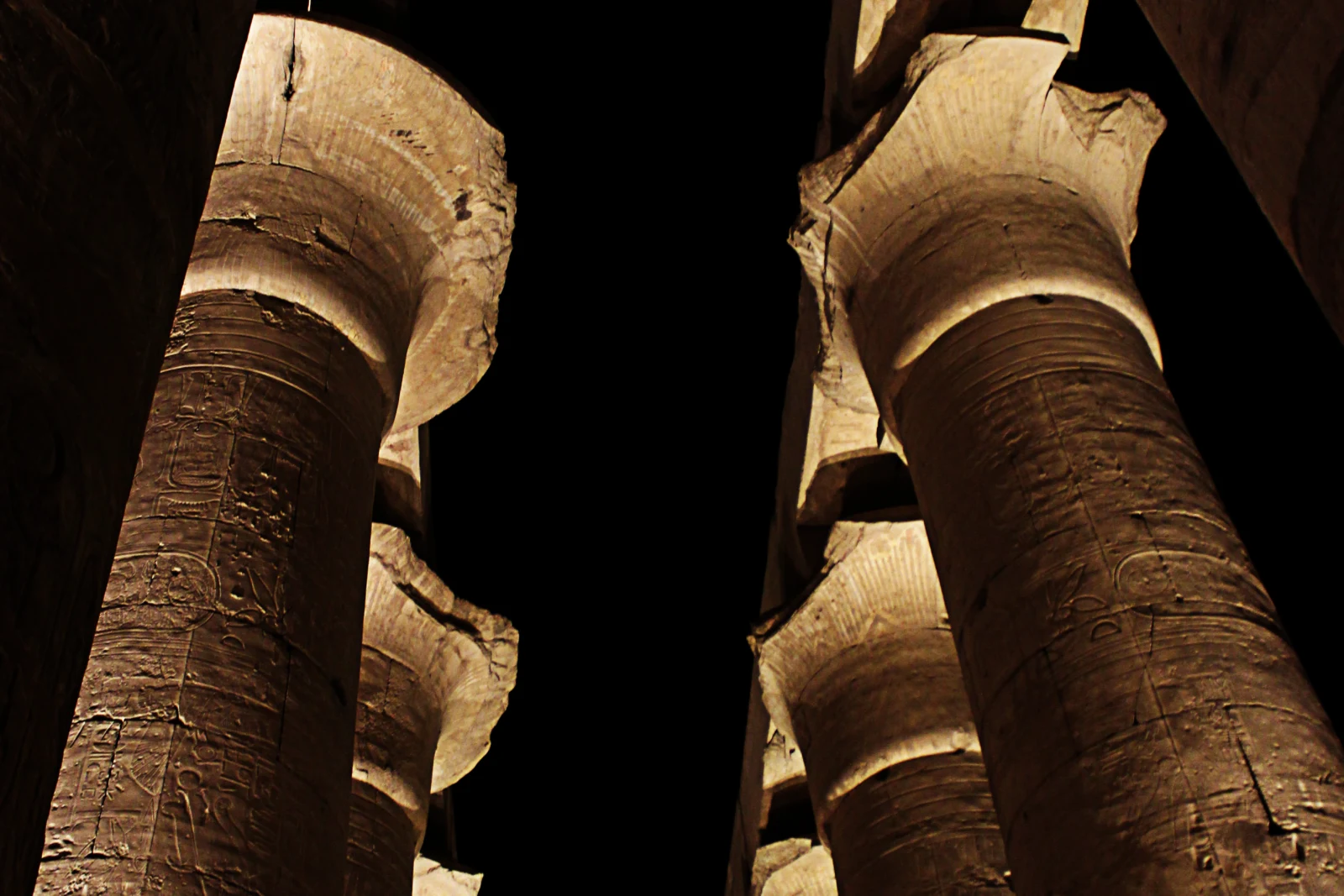
Luxor Temple stands at the southern end of the ancient processional connection with Karnak. Its architecture and later reuse make it especially valuable for understanding how one sacred place could remain important across very different periods.
Explore the place →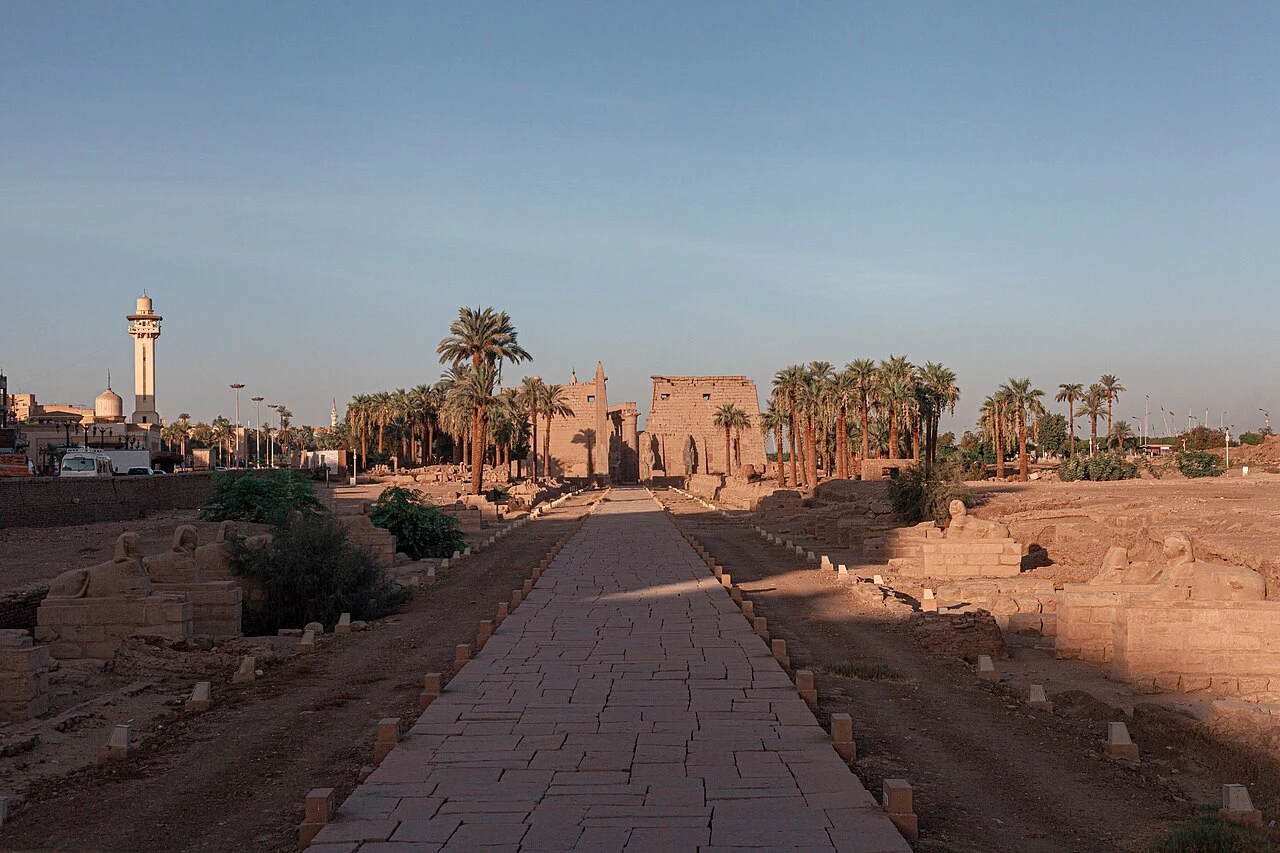
The processional avenue connected Karnak and Luxor Temple across the ceremonial city. Its archaeological value lies in that relationship: it helps explain movement, festival and sacred geography rather than functioning as an isolated attraction.
Explore the place →Journey details
No permanent inclusion list has been approved for this journey. Your reviewed proposal will state transport, guiding, entrance fees, meals and exclusions individually before you decide.
Before you travel
This is a private request-and-confirm journey. Exact timing, access, transport, guide allocation and commercial inclusions are reviewed for your dates before confirmation.
Frequently asked questions
Yes. The public page is a planning framework; the operating programme is reviewed for your dates and party.
A published figure is a dated planning rate for the stated guest count. Availability and the final quotation are confirmed personally.
Only after review of the approved Journey record, current access and operating conditions. Unconfirmed sequences are clearly marked.
Request this journey
Your request enters the existing Nile Experience planning system. Nothing is treated as booked until the programme, availability and final quotation are reviewed.
Related journeys
Meet ancient Thebes through the lives of workers, artists, officials and families beyond the famous royal monuments.
View journey →
Discover where pharaohs prepared for eternity through the royal and memorial landscape of Luxor’s West Bank.
View journey →